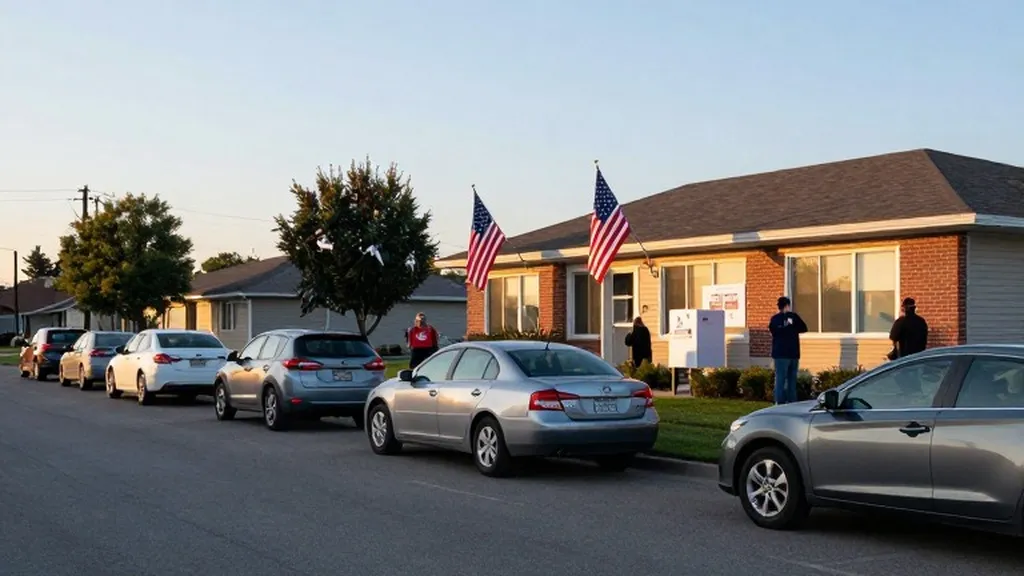
Ten Senate Races Where Midterm Control Is Being Decided
From the plains of Kansas to the coasts of Maine, voters are weighing economic strain and border security in a historic test of Republican power.
By Bianca Herrera ·
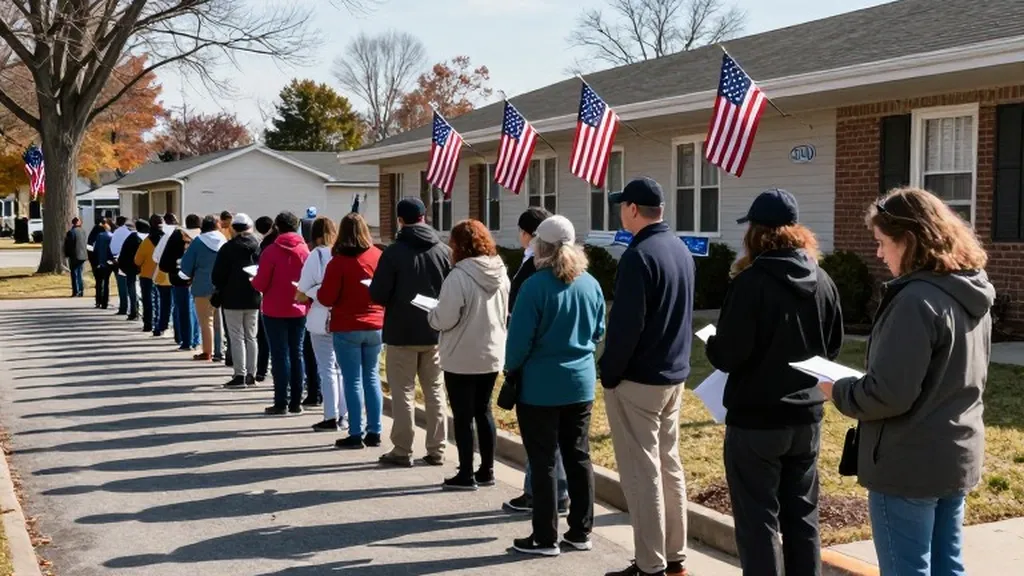
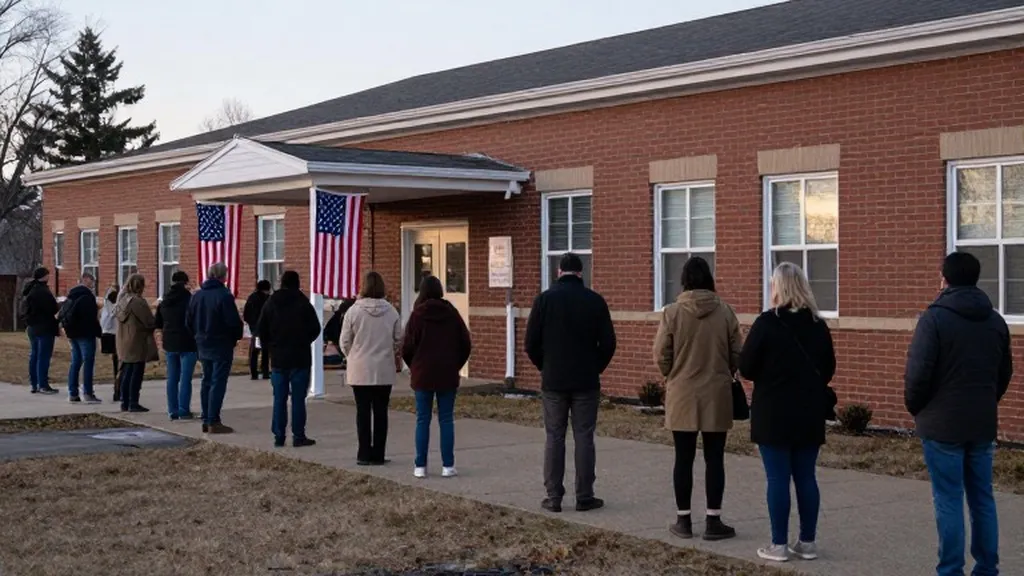
The United States is in the midst of a decisive midterm election that will determine who controls Congress for the final two years of President Donald Trump's second term. With polls open, the focus shifts to ten specific Senate matchups that could tip the balance of power in the upper chamber. Republicans currently hold 53 seats, while Democrats hold 45, plus two independents who caucus with the Democratic party. For Democrats to secure a majority, they need a net gain of four seats, a high bar given the current arithmetic. Conversely, Republicans can lose only two seats to maintain their control, making every margin critical in the battleground states.
In North Carolina, the race is defined by the retirement of incumbent Thom Tillis, who stepped aside after public clashes with the President. Former Democratic Governor Roy Cooper faces former Republican National Committee Chair Michael Whatley in a state that Donald Trump won by 3.3 points in 2024. The contest is viewed as a referendum on the administration's performance, with local voters expressing concern over rising costs and healthcare expenses.
Georgia presents a different challenge, as Democratic incumbent Jon Ossoff defends his seat against Republican Representative Mike Collins. The state voted for Trump by a 2.2 point margin in the 2024 presidential election, making the race highly competitive. Ossoff is seeking to hold the seat in a district where economic anxiety is a primary driver of voter sentiment. The AP has noted that the race is leaning or likely Democratic, reflecting the pressure on the President's approval ratings.
Ohio features a special election to fill the remainder of the term held by JD Vance, who was elected to the Vice Presidency. Democratic former Senator Sherrod Brown is challenging incumbent Republican Senator Jon Husted. The state voted for Trump by 11.2 points in 2024, but the race remains a focal point for both parties. Husted is attempting to retain the seat in a region where voters are weighing the benefits of the current administration against the costs of inflation.
Michigan is another key battleground, with the seat of retiring Senator Gary Peters up for grabs. Republican former Representative Mike Rogers faces Democrat Abdul El-Sayed in a state that Trump won by a narrow 1.4 points in 2024. The race has seen shifts in endorsement dynamics, with El-Sayed's former primary opponent Haley Stevens endorsing Rogers on Sunday. This development underscores the tightness of the contest and the importance of unified party support in the final days.
Texas offers a high-stakes contest between Republican Attorney General Ken Paxton and Democrat James Talarico. Paxton secured the nomination after Trump backed him over incumbent John Cornyn in the primary. The state voted for Trump by 13.6 points in 2024, but the race is considered competitive due to the influence of national trends and economic factors. Paxton's presence on the ballot signals the administration's effort to hold its strongholds in the South.
Maine is a unique case, as it is rated as a toss-up by all four major race rating organizations. Republican incumbent Susan Collins faces Democratic former state Senate President Troy Jackson. The state voted for Kamala Harris by 6.9 points in 2024, but the AP notes that economic strain and tariffs have made the state more competitive. Collins, a moderate Republican, is defending her seat in a state that has traditionally been a Democratic stronghold but has recently leaned toward the GOP.
New Hampshire is holding a special election to fill the seat of retiring Democratic Senator Jeanne Shaheen. Republican former Senator John E. Sununu faces Democrat Representative Chris Pappas. The state voted for Harris by 2.8 points in 2024, making the race a potential flip for the GOP. Sununu's name recognition and political experience are key assets in a state where local issues and national politics are inextricably linked.
Minnesota is another special election, with four candidates competing for the seat of retiring Democratic Senator Tina Smith. Democratic Lieutenant Governor Peggy Flanagan and Republican Michele Tafoya, a former sports broadcaster, are among the leading contenders. The state's political landscape is shifting, with voters weighing the performance of the current administration against the promise of change. The race is complex, with multiple candidates vying for the support of a divided electorate.
Kansas has emerged as a central front in the fight for Senate control, despite being a reliably Republican state. The race is considered a toss-up or lean Republican, with voters in a state that Trump won by 16.2 points in 2024. The AP describes the state as critical to the broader narrative of the election, with President Trump holding rallies and urging his supporters to treat the Senate race as if he were on the ballot. The administration's focus on Kansas highlights the strategic importance of the state in the current political climate.
Alaska is the final battleground in this group, with the Trump administration filing a lawsuit related to the certification of the Senate result. The state voted for Trump by 13.1 points in 2024, but the race is rated as a toss-up or lean Democratic. The legal challenges add a layer of complexity to the election, as both parties navigate the administrative aspects of the contest. The outcome in Alaska will be watched closely as a potential indicator of the administration's ability to hold its ground in the final two years of Trump's term.
Voters across these ten states are casting their ballots with a clear understanding of the stakes. The AP-NORC poll indicates that 35 percent of U.S. adults approve of Trump's job performance, while 25 percent approve of his handling of the economy. These numbers reflect a electorate that is divided and anxious, with many citing high prices and the direction of the country as key concerns. As polls close, the focus will turn to the count and the final tally, which will determine the balance of power in Washington for the next two years.