36 Governor Races Define the Midterm Battleground
With a perfect 18 to 18 split in control, voters in the Mid-Atlantic decide whether Democrats can claim a historic majority of governorships.
By Bianca Herrera ·
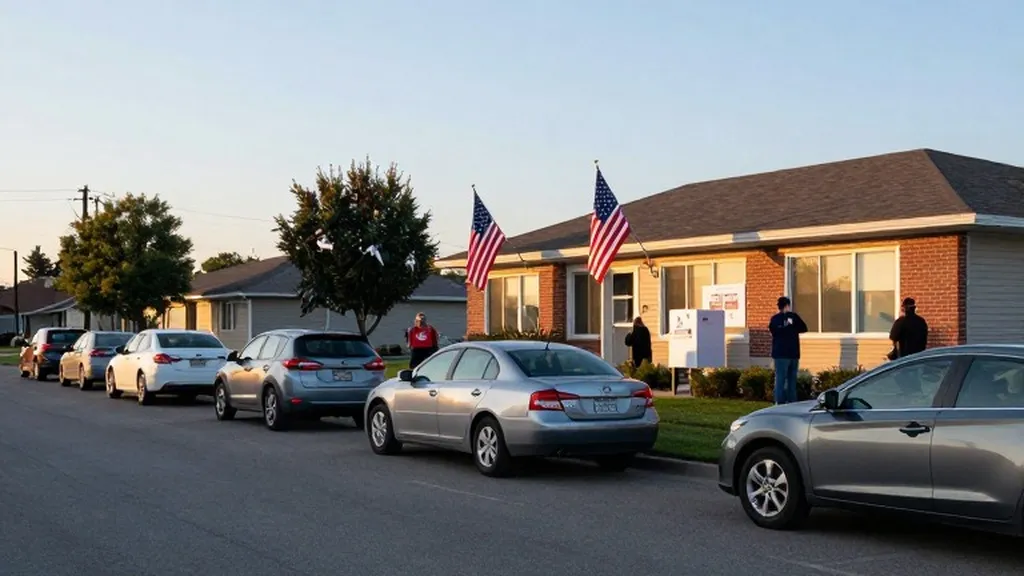
Election Day is here, and the focus for many voters extends beyond the national congressional races to thirty six governorships that will be decided today. The map of executive power is perfectly balanced at the start of voting, with Republicans holding eighteen of the contested offices and Democrats holding the other eighteen. This equilibrium makes the outcome of these races pivotal for the balance of power in statehouses across the country. Democrats are aiming for a net gain of two governorships to secure a nationwide majority, a position Republicans have held continuously since 2010. For conservative readers, the stakes are high as these elections could shift the ideological center of state leadership.
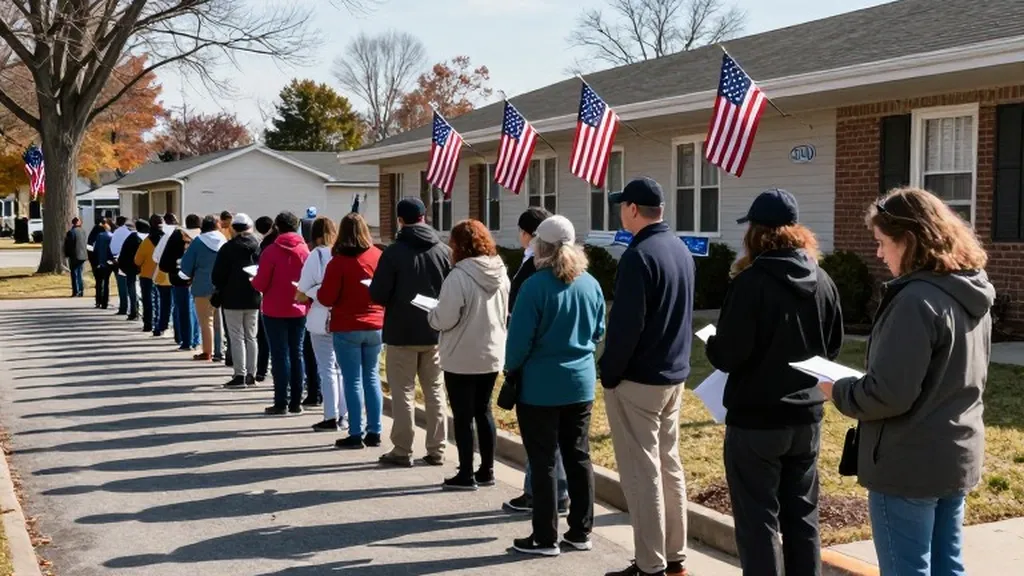
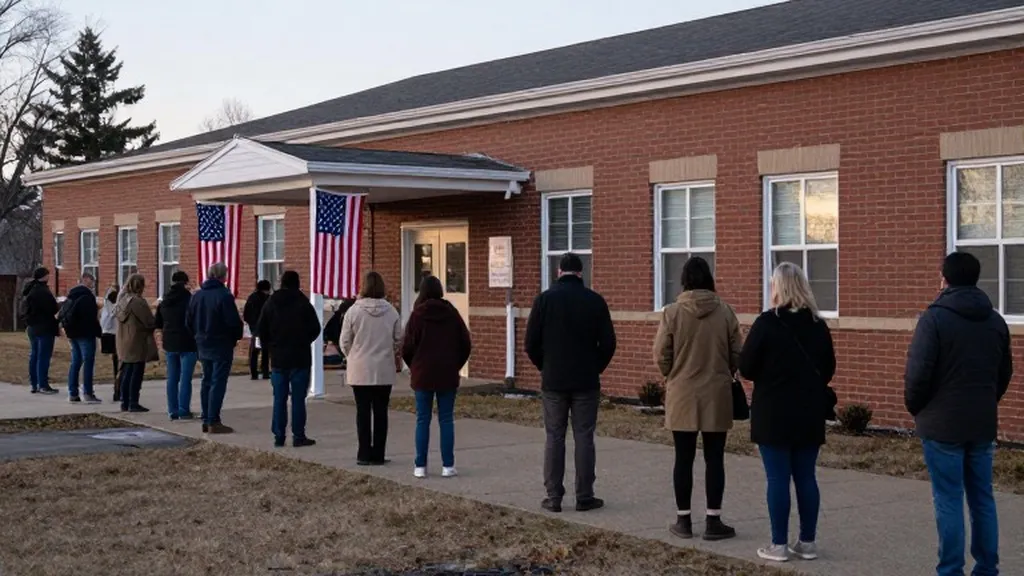
The Mid-Atlantic region serves as a critical theater for this contest, with polls open in Pennsylvania, Delaware, Maryland, and Virginia. In Pennsylvania, voters cast their ballots from 7 a.m. To 8 p.m. Local time to decide the fate of incumbent Governor Josh Shapiro's office. The state does not have a Senate race on the ballot, allowing the focus to remain squarely on the executive branch. In Maryland, polls also remain open from 7 a.m. To 8 p.m. As voters consider the future of incumbent Governor Wes Moore. The absence of a Senate race in Maryland mirrors the situation in Pennsylvania, creating a clear path for voters to prioritize local executive leadership.
Delaware and Virginia offer different dynamics for voters in the region. In Delaware, polls are open from 7 a.m. To 8 p.m., and the state is deciding on a Senate race involving incumbent Chris Coons. Delaware does not have a governor race on the ballot today, meaning the executive seat remains unchanged by the vote. In Virginia, polls open earlier at 6 a.m. And close at 7 p.m. The state is also deciding on a Senate race with incumbent Mark Warner, while the governor's office is not contested in this cycle. These variations in ballot measures require voters in each state to weigh different priorities as they head to the polls.
Nineteen of the thirty six governor races are open seats, meaning the incumbent is not running for re-election. Fifteen of these governors are term-limited, forcing new candidates to step in. Three others chose not to run, including Iowa's Kim Reynolds, Minnesota's Tim Walz, and Wisconsin's Tony Evers. Rhode Island's Daniel McKee lost his primary, adding to the number of open seats. This high volume of open seats introduces uncertainty and allows challengers to reshape the political landscape without the advantage of an incumbent's name recognition or record.
The battlegrounds for governorships are concentrated in states that swung in the 2024 presidential election. Democrats are defending five governorships in states that Trump won in 2024, including Arizona, Kansas, Michigan, Pennsylvania, and Wisconsin. Republicans are defending two governorships in states that Harris won, specifically New Hampshire and Vermont. The Associated Press highlights that these races are closely watched because the outcomes will signal which party can hold ground in competitive territories. The AP also notes that Texas, Florida, and Iowa are considered competitive governor races, adding to the list of states where the outcome is uncertain.
In Georgia, Republican health care executive Rick Jackson faces Democratic former Atlanta Mayor Keisha Lance Bottoms to succeed Brian Kemp. This race is part of a broader pattern where governors are being replaced due to term limits or strategic choices. In Nevada, Republican Governor Joe Lombardo is running against Democratic Attorney General Aaron Ford. In Ohio, the race features Republican Vivek Ramaswamy against Democrat Amy Acton. The AP notes that Ramaswamy's campaign faced recent attention over an advertisement, but the race remains a key contest in the Midwest. These specific matchups illustrate the personal nature of the governor races and the strategies employed by both parties.
Voter sentiment is heavily influenced by economic concerns and the broader political climate. The Associated Press describes the election as a referendum on President Trump's second term, with voters expressing frustration over high prices and the ongoing war with Iran. AP-NORC polling indicates that 35% of U.S. Adults approve of Trump's job performance, while only 25% approve of his handling of the economy. About seven in ten Americans say the country is heading in the wrong direction. These statistics provide context for the mood in the Mid-Atlantic, where cost of living is a primary concern for many households.
Turnout is a critical factor in these races, as noted by RNC Chairman Joe Gruters, who stated that everything depends on turnout. If Republicans turn out their voters, they believe they will win. In contrast, DCCC Chair Rep. Suzan DelBene said the American people are angry and want change. Voter Mark Barker of Palm Beach Gardens, Florida, expressed support for Trump, saying he is doing an awesome job. Meanwhile, James Moore, a librarian in Raleigh, North Carolina, cited higher taxes and healthcare costs as reasons for his vote. These individual perspectives reflect the divided national mood that is playing out in the Mid-Atlantic polls.
The administration of the election has also been a point of focus, with recent legal developments affecting how votes are counted. A federal judge temporarily barred the Trump administration from implementing a plan to prevent noncitizen voting, a move critics say could disenfranchise eligible voters. The U.S. Postal Service added resources to ensure mail ballots are counted on time. These logistical and legal issues add layers of complexity to the process, requiring election officials to manage the flow of voters efficiently. The Associated Press notes that more than 57 million people had already voted as of Monday, surpassing early vote totals from four years ago in many states.