North Carolina polls close as voters face Tillis seat, tax caps
Voters in the Tar Heel State chose between Roy Cooper and Michael Whatley for the U.S. Senate, alongside three constitutional amendments on taxes and voter ID.
By James Brooks ·
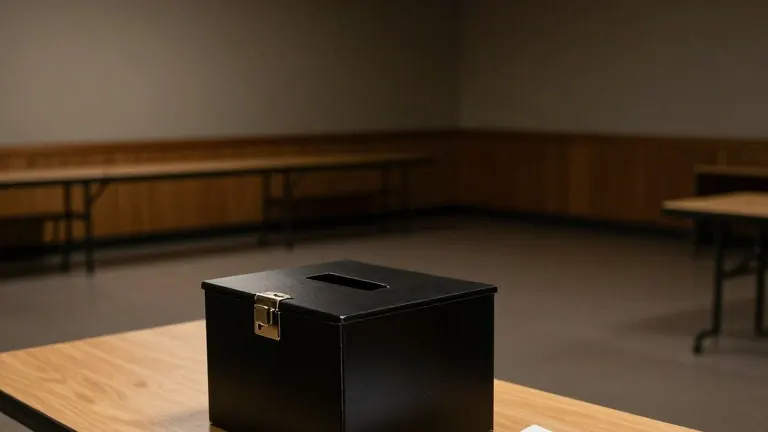
Polls in most North Carolina counties closed at 7:30 p.m. on Tuesday, Nov. 3, marking the start of the 2026 midterm election cycle. Voters who were already in line at that hour retained the right to cast their ballots.
The state faces a high-stakes contest for the U.S. Senate seat vacated by Rep. Thom Tillis. Democrat Roy Cooper, who served as governor from 2017 to 2025, challenged Republican Michael Whatley for the position. Whatley, who held the chairmanship of the Republican National Committee from 2024 to 2025, campaigned on a platform of supporting President Trump’s agenda. Cooper held a lead in most polls leading up to Election Day.
Two U.S. House races in North Carolina drew attention as potential tipping points for national control. CBS News identified Congressional Districts 1 and 11 as toss-ups. In District 11, Republican Rep. Jennifer Balkom entered the race after incumbent Chuck Edwards withdrew following a sexual harassment investigation. She faced Democrat Jamie Ager. In District 1, incumbent Democrat Don Davis ran against Republican challenger Laurie Buckhout. Republicans entered the election with a narrow 220-215 majority in the U.S. House.
Beyond federal offices, North Carolina voters addressed three statewide constitutional amendments. The first proposed amendment required all voters to present photo identification before voting, regardless of whether they voted in person. The second amendment sought to cap the state income tax rate at 3.5%. The third amendment proposed limits on property tax increases by local governments.
Local contests also occupied the ballot. Voters in various jurisdictions selected local judges, district attorneys, county sheriffs, and Board of Education members. These positions carry direct influence over community governance and legal enforcement.
Delays in four North Carolina counties pushed the closing time for those polling places past 7:30 p.m. Results from those specific areas began reporting later on Tuesday evening than the rest of the state. Media outlets, including WBTV, tracked the incoming data as it was verified and released.
The election outcomes will determine the composition of North Carolina’s congressional delegation and the state’s constitutional framework regarding taxation and voting procedures. The results of the Senate race will also affect the balance of power in the U.S. Senate for the next two years.