Mid-Atlantic voters weigh record spending on key races
The 2026 midterms are projected to be the most expensive in history, with distinct funding strategies shaping the outcome in Pennsylvania, Delaware, Maryland, and Virginia.
By Bianca Herrera ·
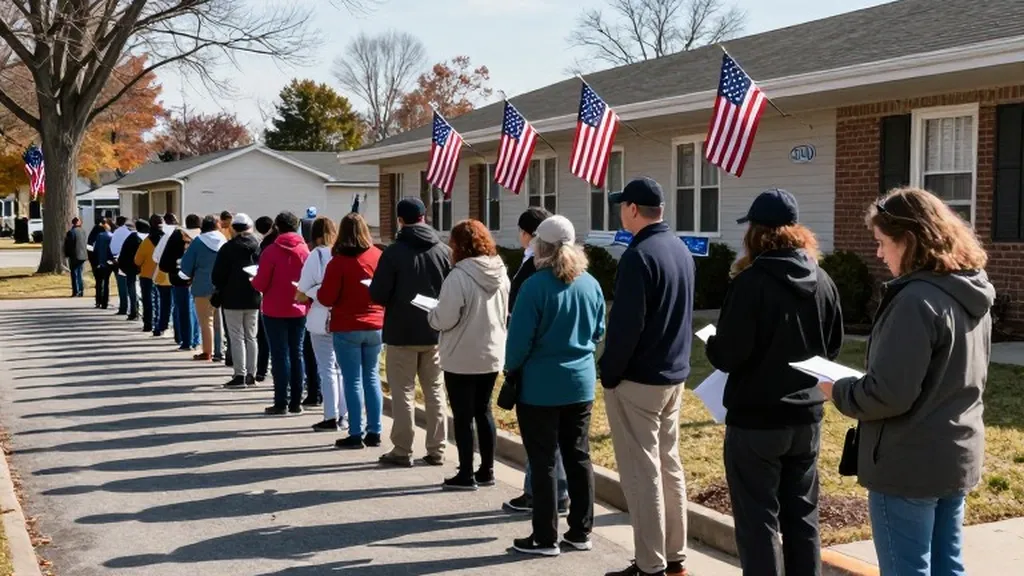
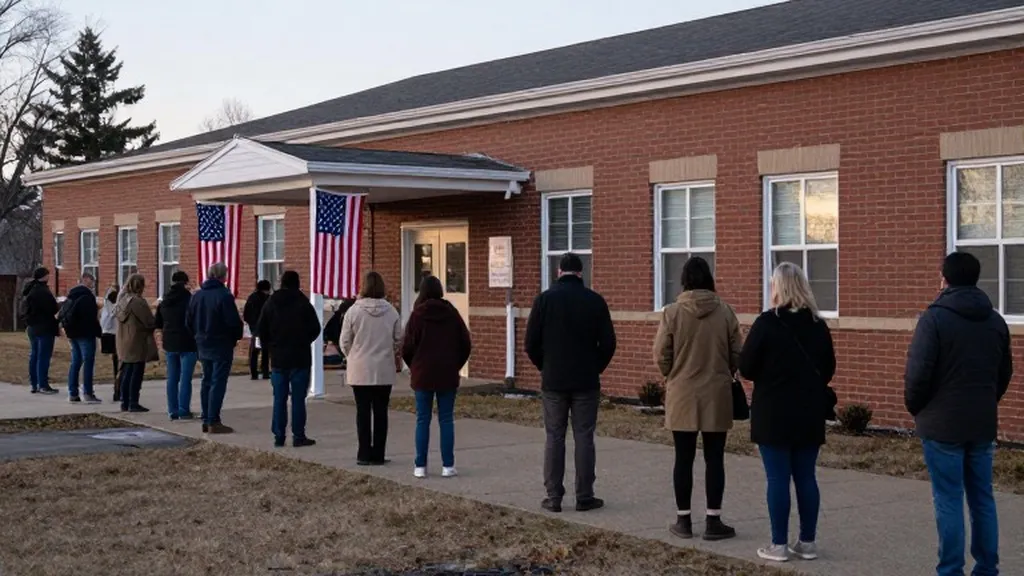
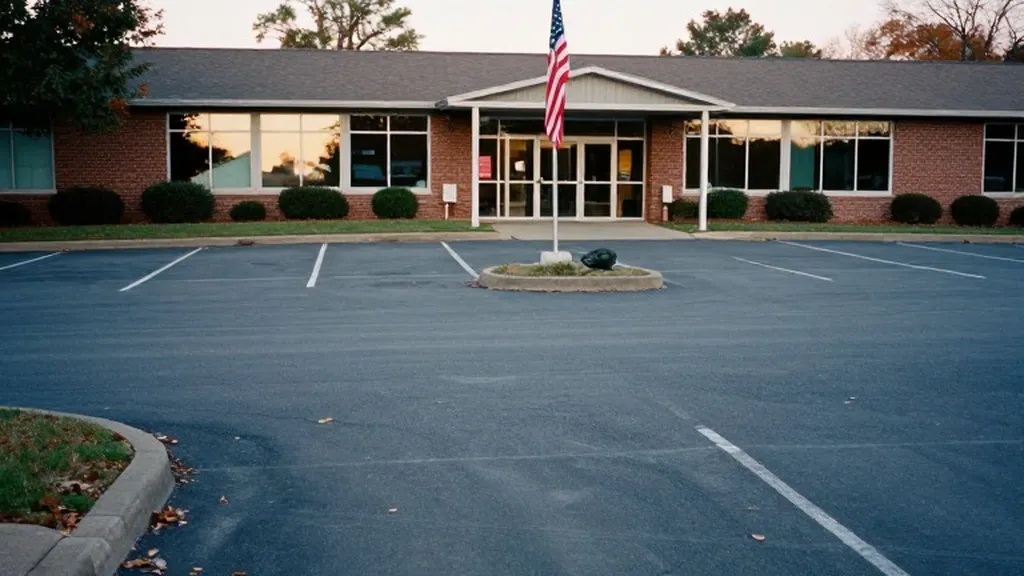
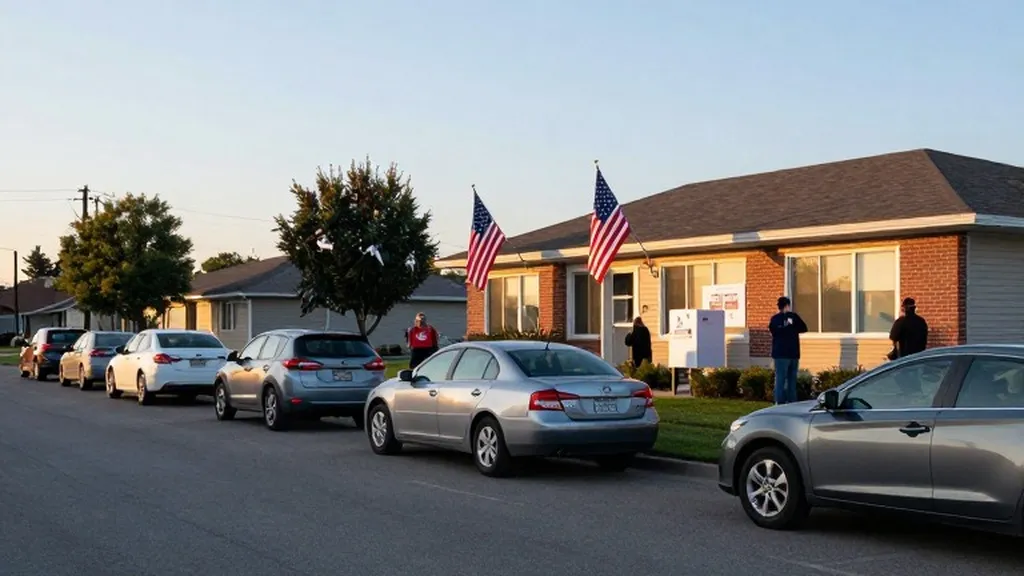
Polls across the Mid-Atlantic region opened this morning as voters prepared to cast their ballots in the most expensive election in American history. The Associated Press reports that the 2026 midterms will likely break all previous records for campaign spending. This surge in financial activity reflects the high stakes involved in determining which party controls Congress for the final two years of President Donald Trump's second term. The region's voters are deciding the fate of several critical governorships and Senate seats that could tip the balance of power in Washington.
In Pennsylvania, polls are open from 7 a.m. to 8 p.m. for the governor's race, where incumbent Josh Shapiro faces the challenge of retaining his seat. There is no Senate race in the Keystone State this cycle. In Delaware, also with polls open from 7 a.m. to 8 p.m., voters are choosing between candidates in the Senate race featuring incumbent Chris Coons. The state does not have a governor's race on the ballot this year. Maryland mirrors the Delaware schedule with polls open from 7 a.m. to 8 p.m. for the governor's race involving incumbent Wes Moore, while no Senate contest is taking place in the state.
Virginia presents a different schedule, with polls opening earlier at 6 a.m. and closing at 7 p.m. Voters there are focused on the Senate race where incumbent Mark Warner is seeking re-election. There is no governor's race in Virginia in this midterms cycle. These four states form the core of the Mid-Atlantic region, where the outcome of these specific races will influence the national tally for both chambers of Congress.
The Associated Press analysis of AdImpact data reveals a stark divide in how political funds were deployed. At the committee level, Republican groups outraised and outspent their Democratic counterparts. This advantage was bolstered by significant contributions from Trump-affiliated groups and billionaire Elon Musk. However, the dynamic shifts when looking at candidate-level spending. Democrats actually outraised their Republican opponents at this level, indicating a strong grassroots financial push despite the broader committee disadvantage.
A striking figure from the AP analysis is that 88.1 percent of Republican general election television ad spending went to states and districts that Trump won in the 2024 presidential election. Within that total, more than 850 million dollars was spent in areas where Trump won by ten points or more. This concentration of resources suggests a strategy focused on solidifying support in already friendly territory while Democrats appear to be directing their candidate-level funds toward more competitive environments.
Voters in the Mid-Atlantic are making their decisions against a backdrop of economic anxiety. The AP-NORC poll indicates that only 25 percent of U.S. adults approve of the president's handling of the economy. About seven in ten Americans say the country is heading in the wrong direction, with most blaming the high prices for their dissatisfaction. For Republican figures in the region, these economic concerns are a primary focus as they seek to maintain their majorities in both chambers of Congress.
The Republican National Committee Chair Joe Gruters has emphasized that everything depends on turnout. He stated that if Republicans turn out their voters, they win, which is what they have been planning for. In contrast, Democratic Congressional Campaign Committee Chair Rep. Suzan DelBene described the American people as angry and wanting change. These sentiments are being felt in polling places across the four Mid-Atlantic states today as lines form for the vote.
In Pennsylvania, the focus is entirely on the executive branch of state government as Shapiro defends his position. In Delaware, the Senate race is the top item on the ballot, with Coons seeking to retain his seat. Maryland voters are similarly focused on the governor's race with Moore, while Virginia voters are deciding the next senator for the state. The absence of governor races in Delaware and Virginia means that these states have fewer high-profile local executive contests to distract from the federal implications of their votes.
The timing of the polls in Virginia, which close at 7 p.m., creates a slightly earlier deadline for voters compared to the other three states that close at 8 p.m. This difference in timing may impact the final hours of campaigning and the final rush to voting locations. In all four states, the rules for identification vary, and voters are encouraged to check their specific state requirements. The U.S. Postal Service has added staff and special lines to ensure that mail ballots are counted on time, a factor that could be significant in close races.
As the day progresses, the financial disparity between the parties will be a defining feature of the post-election analysis. The 88.1 percent figure regarding Republican ad spending in Trump-won districts highlights a defensive posture for the party. Meanwhile, the Democratic candidate-level fundraising advantage suggests a targeted effort to compete in key races like the governorships in Pennsylvania and Maryland. The interplay between these two financial strategies will determine whether the record spending translates into a change in the balance of power.
With polls open in all four Mid-Atlantic states, the region is poised to deliver a crucial signal for the national election. The combination of high spending, economic discontent, and strategic party positioning sets the stage for a closely watched set of results. As voters cast their ballots, the question of whether the money spent will secure the desired majorities remains the central mystery of this historic election.