North Carolina Voters Head to Polls for Senate Seat and Three Constitutional Amendments
Polls close at 7:30 p.m. Tuesday as the state prepares for a decisive vote on tax caps and identification requirements.
By Fatou Mitchell ·
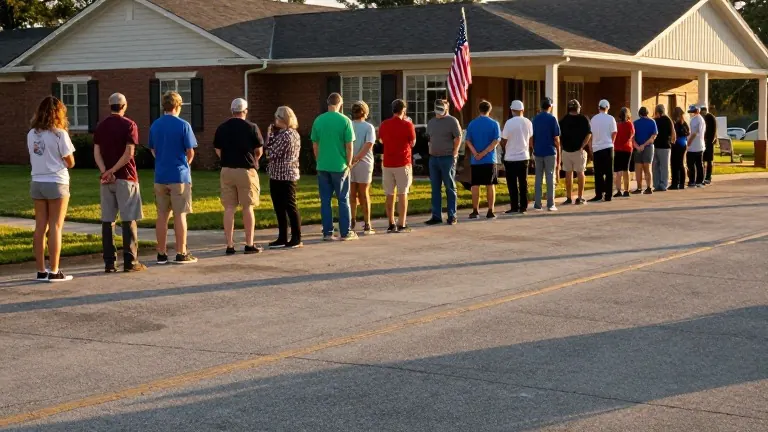
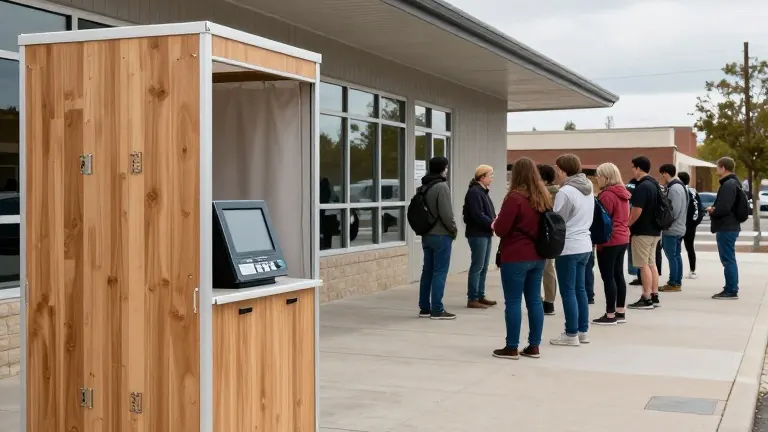
North Carolina voters will cast ballots on Tuesday, Nov. 3, in a general election that determines the state's U.S. Senate seat and three changes to the state constitution. Polling locations across the state are scheduled to open at 6:30 a.m. and close at 7:30 p.m.
Voters standing in line at 7:30 p.m. retain the right to cast a ballot. Election officials will begin reporting results as counties submit tallies. The statewide contest includes a race for the U.S. Senate and votes on three specific referendums.
In the Senate race, Democratic nominee Roy Cooper, a former governor, faces Republican nominee Michael Whatley, a former party chair. Cooper and Whatley will compete for the seat currently held by the state's delegation. The outcome of this race will shift the balance of power in the U.S. Senate.
Three proposed state constitutional amendments appear on the ballot. Republican state lawmakers placed these measures on the November ballot. A simple majority of votes is required for each amendment to become law.
The first referendum addresses voter identification. It asks voters whether all citizens must present a photo ID before voting. Currently, voters may cast ballots without photo ID by filling out an exception form. Acceptable forms of identification include North Carolina driver's licenses, state IDs, U.S. passports, and military IDs.
The second measure concerns state income tax. It proposes lowering the cap on the state income tax rate from 7% to 3.5%. A vote in favor would permanently limit the rate at which the state can tax individual income.
The third referendum targets local property taxes. It asks voters to approve limits on property tax increases imposed by local governments. This measure aims to restrict the growth of local tax assessments.
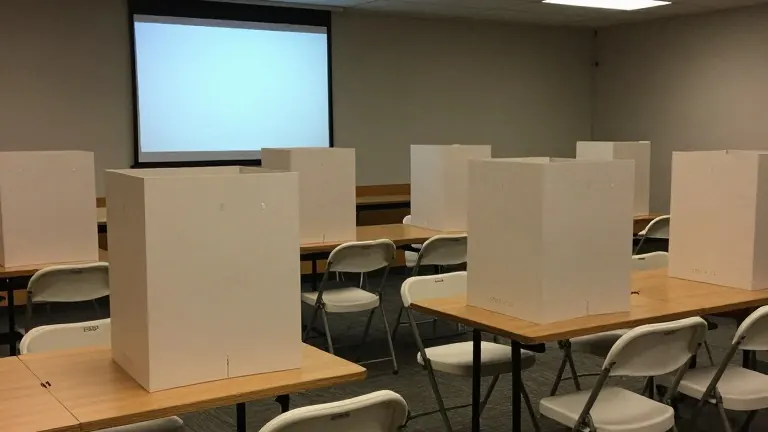
Voters must visit their assigned polling place on Election Day. The location is determined by the registered home address. Voters can verify their assigned site using the state's Voter Search tool. The tool also allows users to preview a sample ballot.
The election also includes races for state House and state Senate seats. Local races for county commissioner and education board member are on the ballot in the Charlotte region. Results for these local contests will be reported alongside statewide figures.
Election officials will track results for North Carolina and South Carolina. Data for the Charlotte region and statewide races will be updated as counties report. The general election marks the midterm cycle, occurring between presidential elections held every four years.
Local media outlets are preparing to broadcast results as they come in. Viewers can access live updates through the Election Results page. The page includes a toggle button to switch between different races and regions.