Mid-Atlantic voters face pivotal choices in governor, Senate races
With early voting surging, the ground game and turnout are shaping the outcome of key Mid-Atlantic contests.
By Bianca Herrera ·
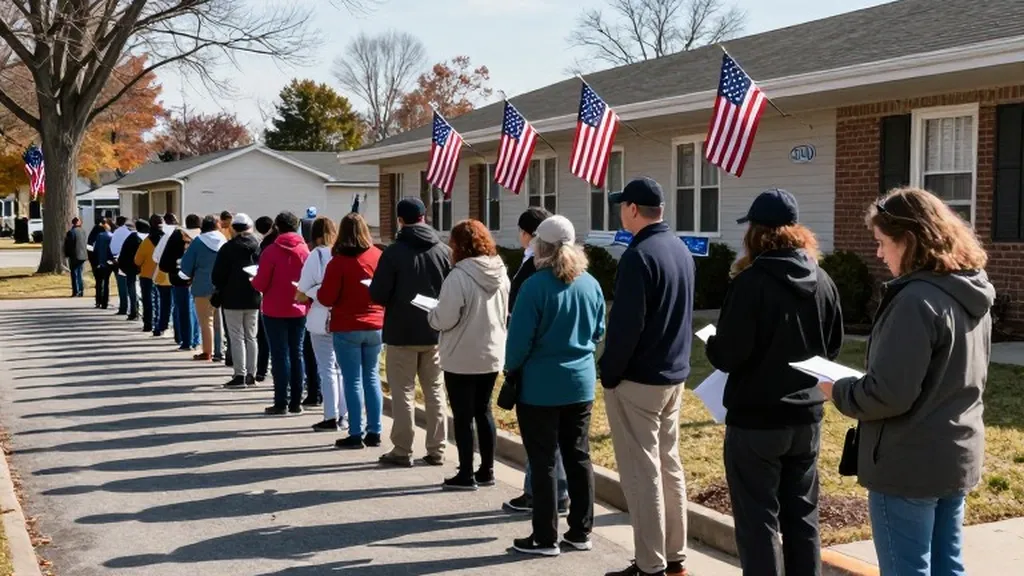
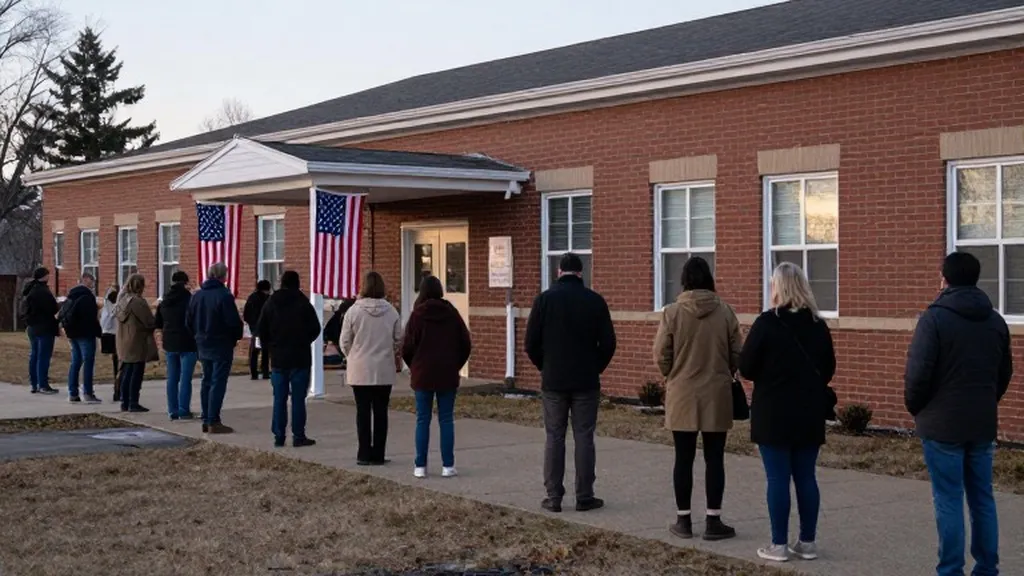
Election Day has arrived in the Mid-Atlantic, with voters in Pennsylvania, Delaware, Maryland, and Virginia heading to the polls to decide critical contests. The region plays a significant role in the broader midterm landscape, where control of Congress for the final two years of President Donald Trump's second term is at stake. Polls are open in these states, and the outcome will influence the balance of power in Washington.
In Pennsylvania, polls are open from 7 a.m. to 8 p.m. local time. The state has no U.S. Senate race on the ballot this cycle. Instead, voters are deciding the fate of the governor's office, where incumbent Josh Shapiro faces a challenge. Republicans currently hold a majority of governorships nationwide, but Democrats are seeking to expand their hold on statehouses. The Pennsylvania race is one of several key governor contests that could shift the national balance of executive power.
Delaware voters also have polls open from 7 a.m. to 8 p.m. The state is focused on a U.S. Senate race involving incumbent Chris Coons. There is no governor race on the Delaware ballot this year. The Senate contest is part of a national battle for control of the upper chamber, where Democrats need a net gain of four seats to achieve a majority. Republicans can afford to lose only two seats to maintain their current advantage.
Maryland holds polls open from 7 a.m. to 8 p.m. similar to its neighboring states. The state has no U.S. Senate race in this election cycle. The primary focus is on the governor's mansion, where incumbent Wes Moore is seeking to retain his office. This race is part of a broader trend where Democrats are defending governorships in states that leaned Republican in the 2024 presidential election. The outcome will contribute to the final tally of statehouses held by each party.
Virginia presents a different schedule, with polls open from 6 a.m. to 7 p.m. This state is deciding a U.S. Senate race involving incumbent Mark Warner. There is no governor race on the Virginia ballot this year. The Senate race is one of many that will determine the final composition of the chamber. The early voting numbers in the region have been strong, contributing to a national total that surpasses previous midterm elections in many closely watched states.
Nationwide, more than 57 million people had already voted as of Monday, surpassing the early vote of four years ago in many closely watched states. This surge in early participation is a key factor in the current election dynamics. RNC Chairman Joe Gruters emphasized the importance of this trend, stating, "Everything depends on turnout. If we turn out our voters, we win, and that's what we've been planning for." His comments reflect the Republican strategy of mobilizing their base to protect their Senate majority.
DCCC Chair Rep. Suzan DelBene offered a contrasting perspective on the voter mood, noting, "The American people are angry. They want change." Her remarks align with polling data showing that about 7 in 10 Americans say the country is heading in the wrong direction. The Associated Press describes the election as a referendum on the president's second term, with voters struggling with high prices. This economic anxiety is a driving force in the Mid-Atlantic, where cost of living is a central concern for many households.
The ground game in these states has been intense, with both parties investing heavily in outreach and mobilization. In Pennsylvania, the focus on the governor's race has led to significant spending on television ads and ground operations. In Delaware, the Senate race has drawn national attention due to its potential impact on the chamber's control. The combination of early voting and Election Day turnout will determine whether the projected margins hold or shift in the final hours of voting.
Voters in the Mid-Atlantic are making decisions that will have lasting effects on federal and state policy. In Pennsylvania, the outcome of the governor's race could influence state budget priorities and legislative agendas. In Delaware, the Senate result will affect the balance of power in Washington. In Maryland, the governor's race will determine the direction of state government for the next term. In Virginia, the Senate race will contribute to the overall count of seats held by each party in the upper chamber.
As polls open, voters in these states are casting their ballots in a historic midterm election. The final results will reveal whether the president's party can avoid the typical midterm loss or if the opposition can gain significant ground. The Mid-Atlantic serves as a microcosm of the national battle, with each state's outcome contributing to the broader narrative of control and change. The day's votes will set the stage for the final two years of the current presidential term and the future of the congressional majority.
The U.S. Postal Service has added hours and staff to ensure mail ballots are counted on time, reflecting the logistical challenges of a high-turnout election. In the Mid-Atlantic, the mix of early voting and in-person ballots on Election Day requires careful coordination. The region's polls close at different times, with Virginia ending its voting day an hour earlier than its neighbors. This variation in schedules allows for a staggered release of results, providing a real-time picture of how the day is unfolding across the four states.