SpaceX ends Falcon 9 and Crew Dragon government flights by 2030
The company is pulling back from key NASA and Space Force contracts, forcing the agency to accelerate its reliance on Boeing for astronaut transport and lunar payloads.
By James Brooks ·
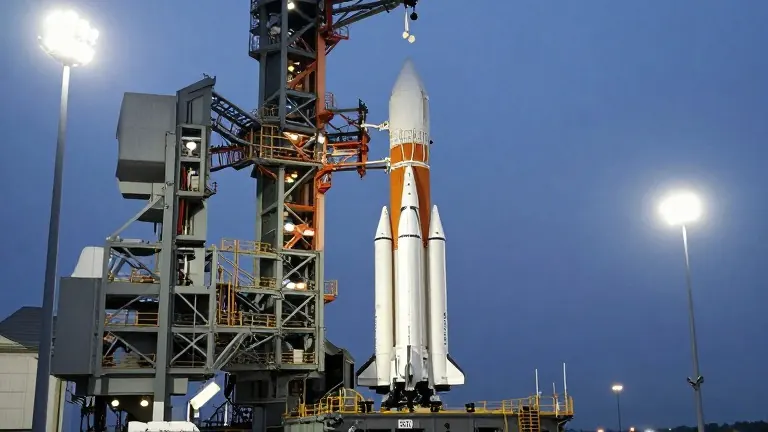
SpaceX will stop flying Crew Dragon capsules and Falcon 9 rockets for most government missions by 2030. The company is narrowing its federal portfolio to focus on data services, such as Starshield for military communications. This shift leaves NASA and the US Space Force without their primary commercial launch partners for crewed missions and large cargo operations.
Gwynne Shotwell, SpaceX co-founder, stated in September that NASA should rely on Boeing for astronaut transportation. "We're just gonna let them have some business," Shotwell said. "They should fly their capsule. The government paid a lot of money for that." NASA is now investing more heavily in Boeing to secure this capability before SpaceX steps back.
In October, reports indicated that SpaceX halted new commercial sales for Falcon 9 launches scheduled for missions after 2028. This move effectively caps the rocket's availability for private customers and reduces its presence in the commercial market. The company continues to operate existing contracts but is not accepting new business for that platform beyond the specified date.
Kent Rominger, a member of NASA's Safety Advisory Panel, noted during a late October meeting that the US Deorbit Vehicle may require a different rocket if it launches to the International Space Station after 2030. The Deorbit Vehicle is a modified Dragon spacecraft designed to deorbit the station at the end of its life. Rominger suggested that a rocket other than the Falcon 9 would be necessary for such a mission.
The US Space Force learned last week that SpaceX would not bid on three new launch contracts for the late 2020s. These contracts exceeded the company's existing commitments to the military. SpaceX told the agency it is focusing its resources on its current obligations rather than expanding into new federal launch opportunities.
SpaceX also informed three companies building small landers for NASA's Moon Base that it will not provide launch services. The companies had previously received cost estimates from SpaceX for the Commercial Lunar Payload Services program. The decision removes SpaceX from the supply chain for these lunar cargo missions, leaving competitors to fill the gap.
More Business · Customer Complaints · Report a business · Got a Story?