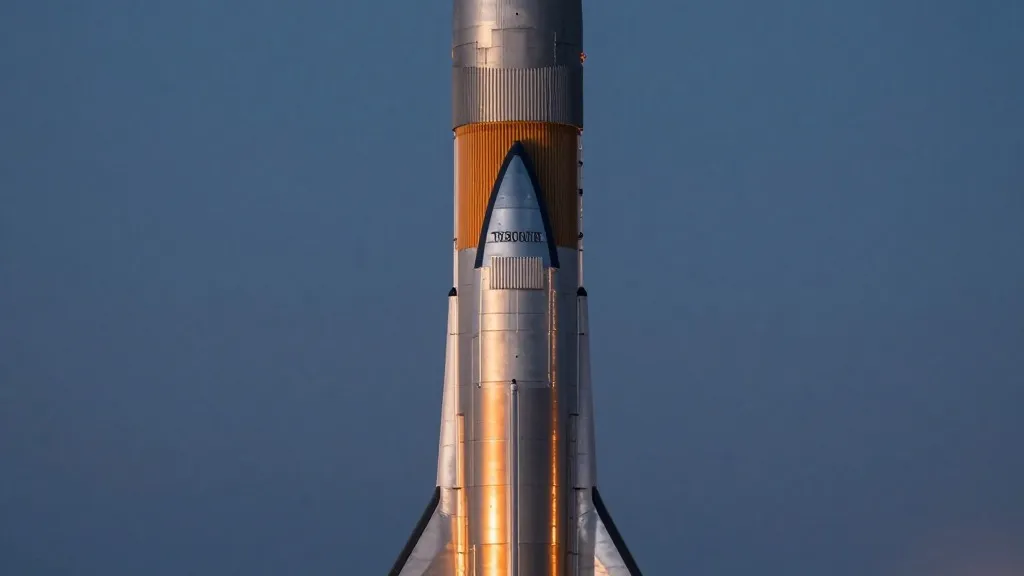
Space Force Rejected by SpaceX and Spanish Rocket Nears Final Tests
A US military tender was declined by the leading launch provider while a European startup prepares its small-lift vehicle for imminent flight trials.
By James Brooks ·
The number three stood out in recent communications between the United States Space Force and SpaceX. The military branch had extended offers for three distinct launch contracts to the company. However, SpaceX responded by declining all three opportunities. This decision represents a notable shift in the relationship between the private sector leader in commercial spaceflight and its primary government client. The refusal to take on these specific military missions has prompted questions about the company’s current priorities and capacity management.
The rejection occurred on Thursday and was described as a shock within the industry. SpaceX has historically been the dominant provider of launch services for the US government. By turning down the Space Force offers, the company may be signaling a focus on other operational demands. Analysts are watching to see if this move will lead to an increased role for other domestic providers or if it reflects a temporary logistical bottleneck. The Space Force has not publicly detailed its immediate next steps following the declination.
In a separate development concerning civil space exploration, a NASA safety panel issued a warning regarding the Starship program. The panel indicated that supporting a lunar landing mission might require up to 22 in-orbit refueling operations. This figure highlights the complexity of the architecture required for deep space travel. The reliance on multiple refueling events introduces significant logistical challenges. It also raises concerns about the timing and precision required for each docking maneuver in orbit.
The safety panel’s assessment suggests that the current design margins may be tight for a successful lunar mission. The requirement for such a high number of refuelings means that the system must operate with a high degree of reliability over an extended period. Any failure in the refueling chain could jeopardize the entire mission profile. This finding adds another layer of scrutiny to SpaceX’s plans for its next-generation spacecraft.
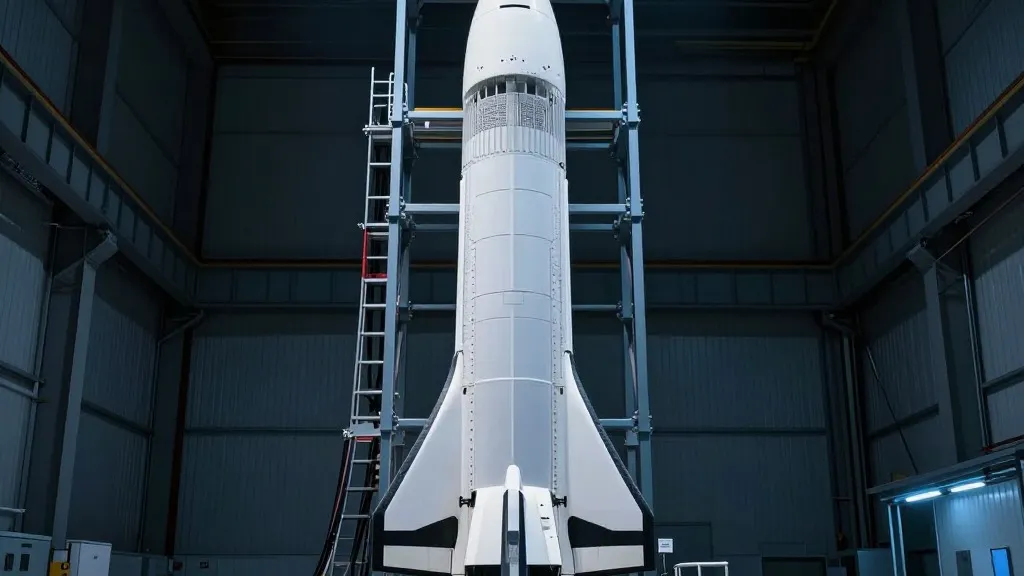
Meanwhile, in Europe, PLD Space is advancing its Miura 5 rocket toward its inaugural launch. The company stated that the vehicle is nearing final integration. According to reports from Aviation Week, the rocket is on track for its first flight before mid-2027. This timeline is ambitious for a small-lift vehicle entering a competitive global market. The company has already manufactured three units of the Miura 5, each serving a specific purpose in the development cycle.
Raúl Torres, the CEO of PLD Space, provided an update on October 19 regarding the progress of the program. He explained that the two other manufactured units were designed to qualify key system elements. This approach allows the engineering teams to validate critical components before they are placed on the final flight vehicle. Torres noted that the manufacturing process has enabled continuous work across different stages of production and integration. This iterative process ensures that lessons learned from each qualification campaign are applied directly to the launch vehicle.
One second stage of the Miura 5 is now fully integrated. This stage is currently undergoing system-level testing under conditions that represent actual operating environments. The testing is taking place at PLD’s facility in Teruel. The qualification campaign includes a wet dress rehearsal and a static hot-fire test. These tests are critical for verifying the structural integrity and performance of the propulsion systems before the rocket is cleared for flight.
In North America, the Canadian startup Reaction Dynamics is seeking to raise $350 million in new funding. The capital is intended to support significant workforce expansion. The company currently employs 68 people but aims to grow its staff to more than 350. This increase in personnel will support the development of its small-lift Aurora rocket. Reaction Dynamics hopes to have the Aurora reach orbit by 2028.
The company has also announced plans for a medium-lift rocket named Borealis. The debut of this larger vehicle is targeted for 2031. The funding round is a crucial step in Reaction Dynamics’ strategy to establish itself as a major player in the launch market. The expansion of the team will allow for parallel development efforts on both rocket systems. This dual-track approach aims to diversify the company’s capabilities and market offerings.