Pentagon watchdog drops probe into $130 km/h Starlink slowdowns in Ukraine
The Office of the Inspector General declined a request from nine senators, citing the Air Force as the appropriate body for inquiry.
By Fatou Mitchell ·
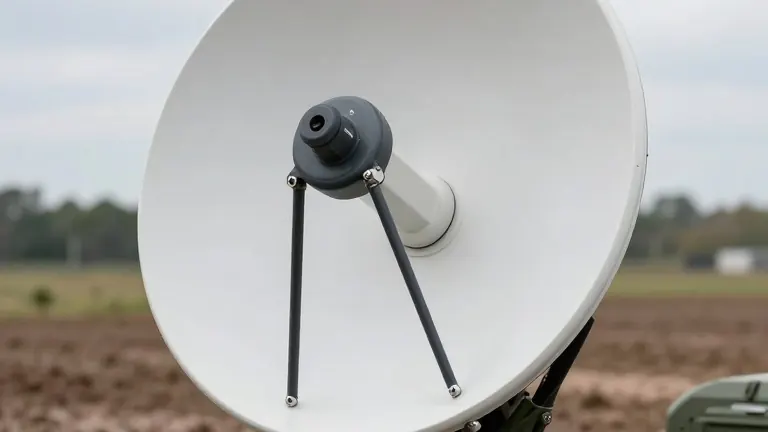
Ukrainian President Volodymyr Zelenskyy reported that Starlink and Starshield equipment failed at speeds between 130 and 161 km/h on October 19.
The Pentagon’s Office of the Inspector General has declined to investigate the recent disruptions to these satellite services for Ukraine. The watchdog rejected a request from a bipartisan group of nine US senators.
The decision came after Ukrainian officials reported in early October that connection speeds for Starlink and its military variant, Starshield, were restricted. These services support communications for Ukrainian forces. Officials stated that the restrictions hindered the interception of Russian jet attack drones.
The timeline of the dispute began in early October when Ukrainian leaders flagged the speed reductions. On October 21, SpaceX owner Elon Musk wrote that limits on speed or usage were decided by the US military and President Donald Trump. Two days later, on October 23, The Wall Street Journal reported that Musk ordered the speed reduction for the military version of the system. This move rendered a portion of Ukrainian strike and interceptor drones practically unusable.
On October 24, Musk claimed that the Ukrainian military had violated the terms of use for the communications system. He stated that if Starlink were switched off, the Ukrainian front line would collapse immediately. The following day, The Wall Street Journal reported that President Trump allegedly called Musk to ask him to lift the restrictions on Starshield.
The group of lawmakers included four Republicans and five Democrats. They asked the inspector general to determine if any US government officials directed, authorized, approved, or had advance knowledge of changes to intelligence-sharing arrangements or warning capabilities.
In a response to the senators, the inspector general stated that the US Air Force would be better placed to answer their concerns. Mollie Halpern, a spokesperson for the Inspector General’s Office, said the body carefully considered the request. She determined that the matters raised were best addressed by the Department of Defense.
A congressional aide familiar with the situation described the move as a refusal to investigate Musk and Starlink. The aide noted that the inspector general is fully capable of conducting such an inquiry. The aide added that concerns on Capitol Hill regarding Musk’s control over Starlink have existed for years.
Senator Jeanne Shaheen, the top Democrat on the Senate Foreign Relations Committee, called the decision concerning. She noted that Ukraine relies on these satellite communications to protect its civilians. Shaheen said the Trump administration and SpaceX have provided conflicting accounts of what led to the disruptions.
Shaheen argued that an independent accounting and review is necessary to determine responsibility. She stated that this review is needed to prevent similar disruptions in the future. The Pentagon referred requests for comment to the Inspector General’s Office. The Air Force did not immediately respond to messages requesting comment. Both entities had previously declined to answer questions regarding the restriction of Ukraine’s access to satellite internet.
Zelenskyy believes that publicity surrounding the connection restrictions has helped restore the Starlink system’s operation to the required speed. Halpern added that if new information arises, the Pentagon may revisit its decision.