
Flock Safety's 40 Million Cameras Raise Tracking Questions
A security researcher found dozens of Flock Safety cameras streaming publicly, contradicting the company's claim that its systems do not track individuals.
By James Brooks ·
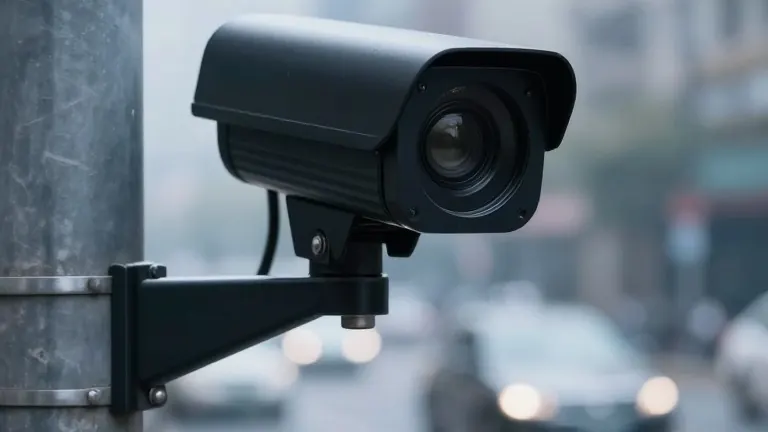
Flock Safety states its cameras do not track people. However, internal training materials show police officers using the system to monitor suspects across multiple locations. Some models are designed to follow pedestrians as they walk. Benn Jordan, a security researcher, stated, "And they quite literally use AI to zoom in and follow you around whether you're a person of interest or not." Jordan found dozens of Flock cameras streaming openly online.
The debate centers on the rapid expansion of automated license plate readers. As the number of these devices grows, concerns about privacy have increased. Flock Safety provides the hardware that captures vehicle and pedestrian data. The company maintains its tools are for identification, not continuous surveillance. Yet the company's own videos depict officers tracking subjects from one spot to another. This creates a tension between the vendor's public messaging and its practical application by law enforcement.
Jordan's discovery highlights a specific technical vulnerability. The cameras he identified were broadcasting without proper encryption or access controls. This allowed external parties to view live feeds. The researcher's work adds to a growing body of evidence that suggests these systems are more capable than their marketing indicates. The company has not yet released a statement addressing Jordan's specific findings regarding open streams.
The issue extends beyond technical glitches to design choices. Flock Safety's hardware includes features that allow cameras to pivot and zoom. This capability enables the system to keep a person in frame even if they leave their vehicle. For residents in areas with high camera density, this means their movements can be recorded continuously. The company argues that this technology aids in solving crimes and locating stolen vehicles.
In a separate segment, the show addressed the use of service animals for veterans. James Poggi, a former Marine Corps aviator, underwent five back surgeries and a below-the-knee amputation. His wife suggested a service dog to help with the emotional burden of his injuries. The segment also noted that diabetes remains a leading cause of death in the United States, with an estimated 40 million people living with the condition.
The Flock Safety story follows a timeline of increasing deployment. The company has installed its cameras in thousands of jurisdictions. Each installation adds to the network of data points available to law enforcement. Critics argue that the accumulation of this data creates a comprehensive map of individual movements. Supporters maintain that the technology provides a cost-effective way to enhance public safety without the need for more patrol cars.
Next steps for the Flock Safety controversy include potential legislative reviews. State lawmakers are currently examining bills that would require notice to residents when cameras are installed nearby. These proposals aim to balance the need for public safety with the right to privacy. The outcome of these legislative efforts will determine how widely the technology can be used in the coming years.
More Business · Customer Complaints · Report a business · Got a Story?