Midterm voters weigh high prices and Iran war in judgment of Trump's second term
Early voting surpassed 2022 levels as Democrats target House control and Republicans defend the Senate amid tight margins and heavy spending.
By Fatou Mitchell ·
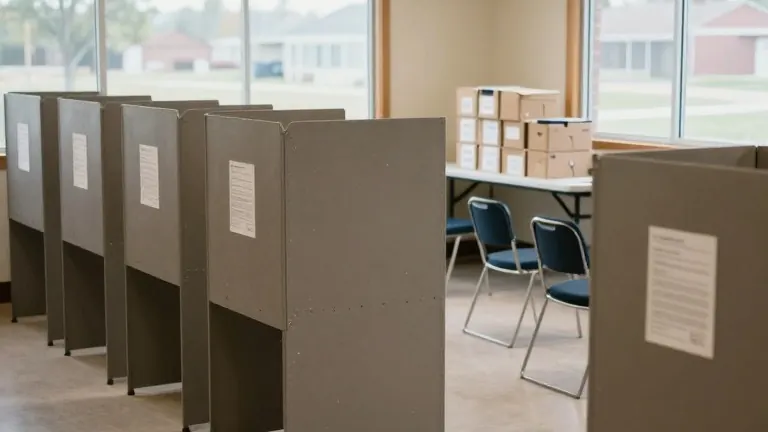
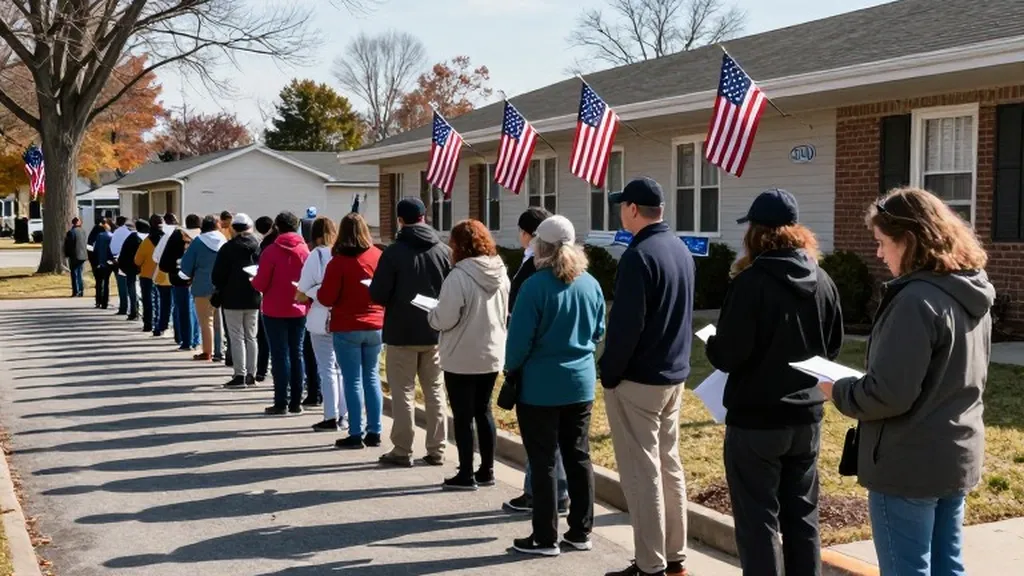
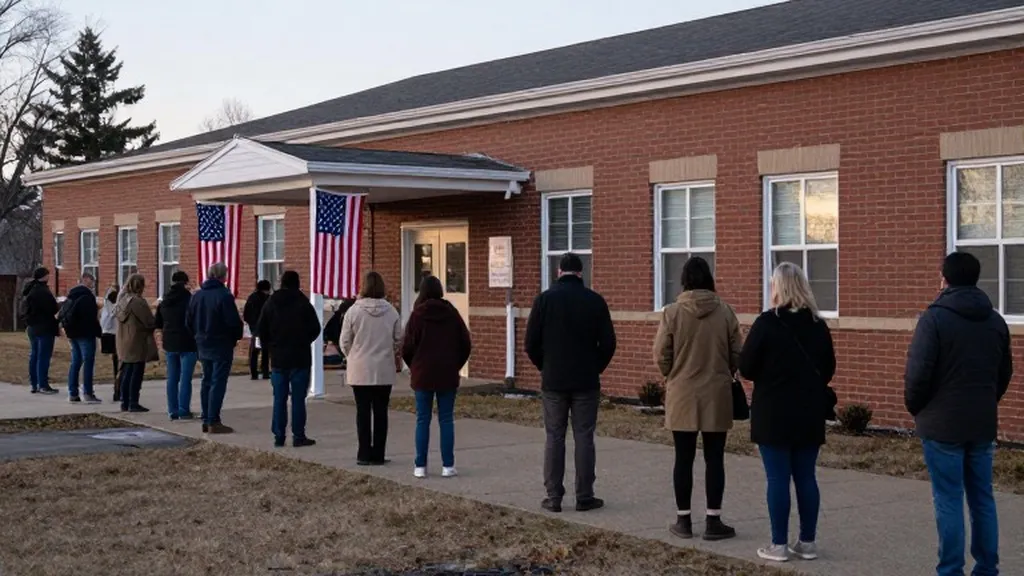
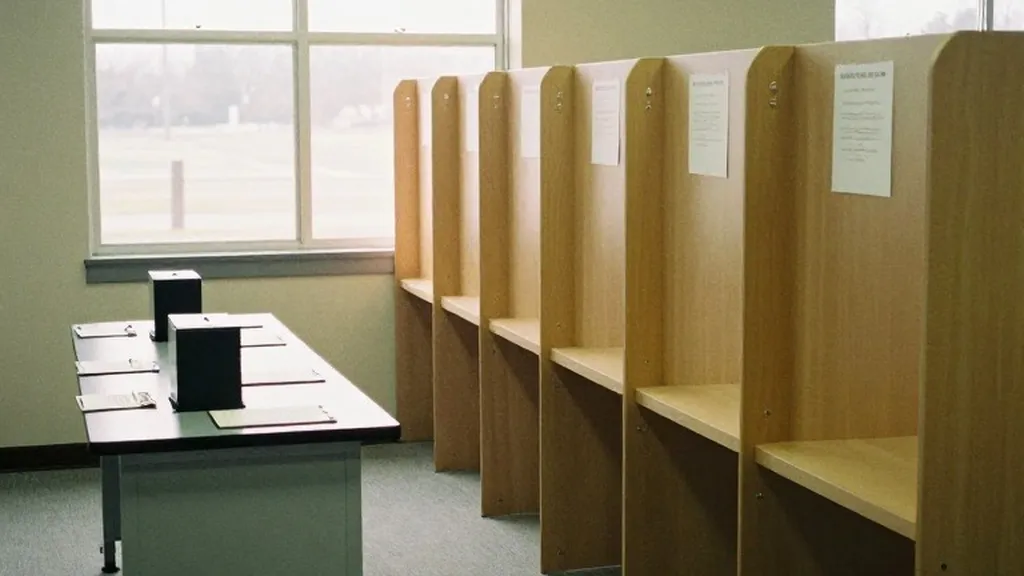
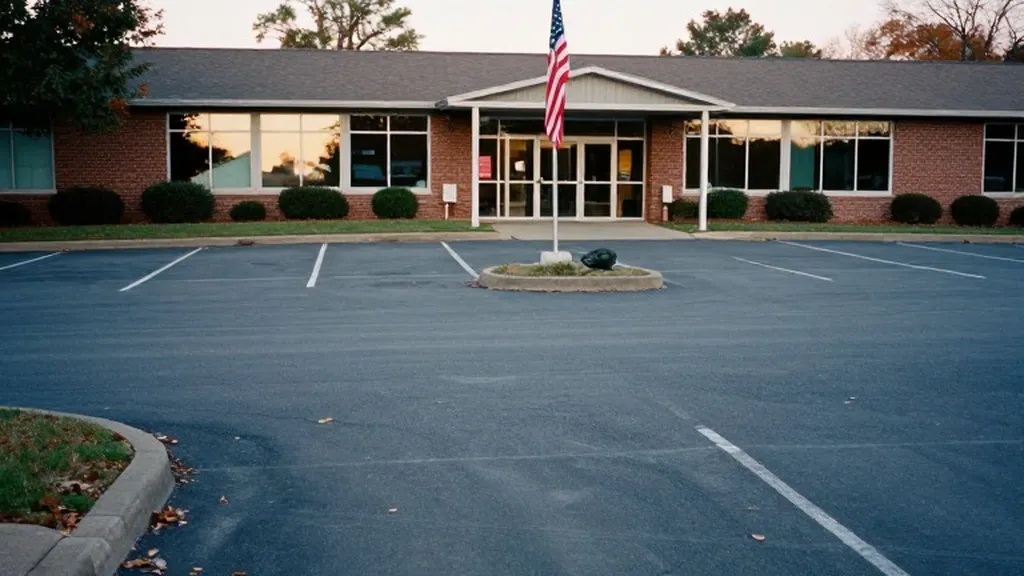
More than 59 million Americans cast ballots before Tuesday, according to an Associated Press analysis. This figure exceeds early-voter turnout from the 2022 midterm elections. Polls closed Tuesday as voters headed to the polls to evaluate President Donald Trump's second term.
Democrats need a net gain of four Senate seats and three House seats to secure majorities in both chambers. Republicans held the House and Senate before these elections. The party that wins the House controls the legislative agenda, while the Senate holds confirmation power over executive nominees. One or two seats could determine the balance of power in either chamber.
Voters expressed frustration over the economy and the war in Iran. The AP Voter Poll found that about three-quarters of voters feel angry or dissatisfied with the country's direction. Roughly half cited government corruption and the cost of living as crucial factors in their congressional vote. These concerns outweighed immigration enforcement and AI data centers in importance for many respondents.
Republican candidates spent heavily to defend their positions. An Associated Press analysis of data from AdImpact shows that 88.1 percent of Republican television ad spending in the general election went to states and districts Trump won in 2024. That total included more than $850 million on ad reservations in districts Trump won by 10 percentage points or more. Democrats bet that this spending would not offset voter discontent over rising costs.
Trump told voters to act as though he were on the ballot. He visited Kansas, Mississippi, and South Carolina during the campaign's final stretch. In a Fox News Channel interview on Tuesday, he declared that inflation is solved. The Commerce Department reported last week that consumer prices rose 3.6 percent in September from a year earlier. He predicted the results would be better than observers think.
Early results showed Democratic wins in Virginia and Florida. Senator Mark Warner was easily reelected in Virginia. Representative Debbie Wasserman Schultz won a new Florida seat after switching districts in response to Republican redistricting. In North Carolina, former Governor Roy Cooper challenges Republican Michael Whatley for the Senate seat left by retiring Senator Thom Tillis. In Ohio, former Senator Sherrod Brown challenges Republican Senator Jon Husted.
Thirty-six states are electing governors on Tuesday. Democrats hope to take over a majority of statehouses for the first time in two decades. Competitive races include Texas, Florida, and Iowa. In Ohio, Republican Vivek Ramaswamy faces Democrat Amy Acton. The outcome of these races will determine which party controls state legislatures and budget processes in the coming years.