230 million voters decide fate of Congress in tightly balanced 2026 midterms
Democrats need four Senate seats and three House seats to flip control from the Republicans who currently hold both chambers.
By Fatou Mitchell ·
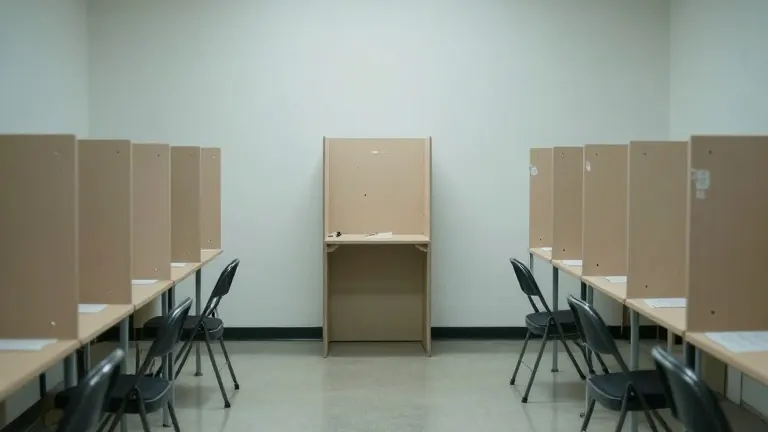
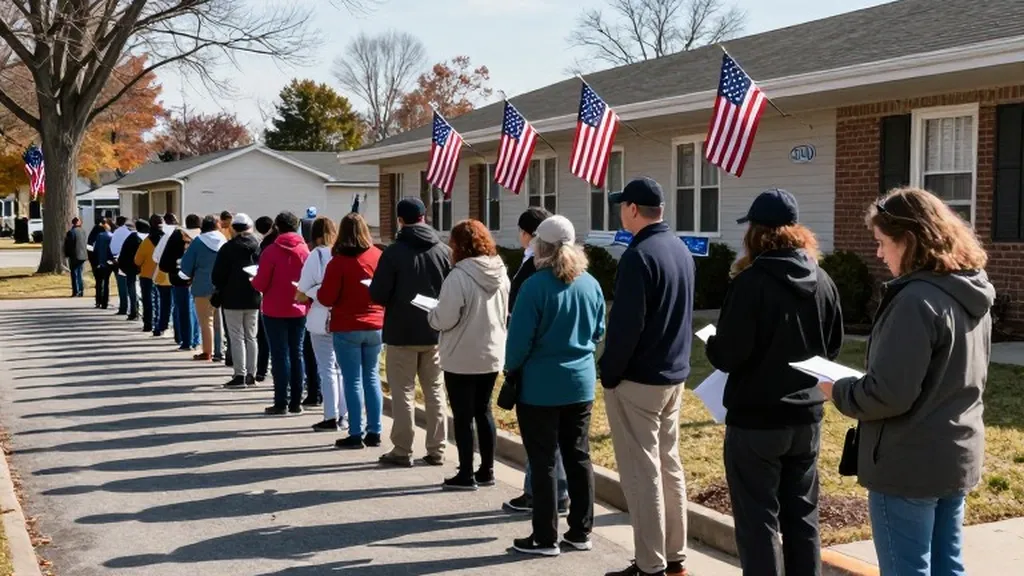
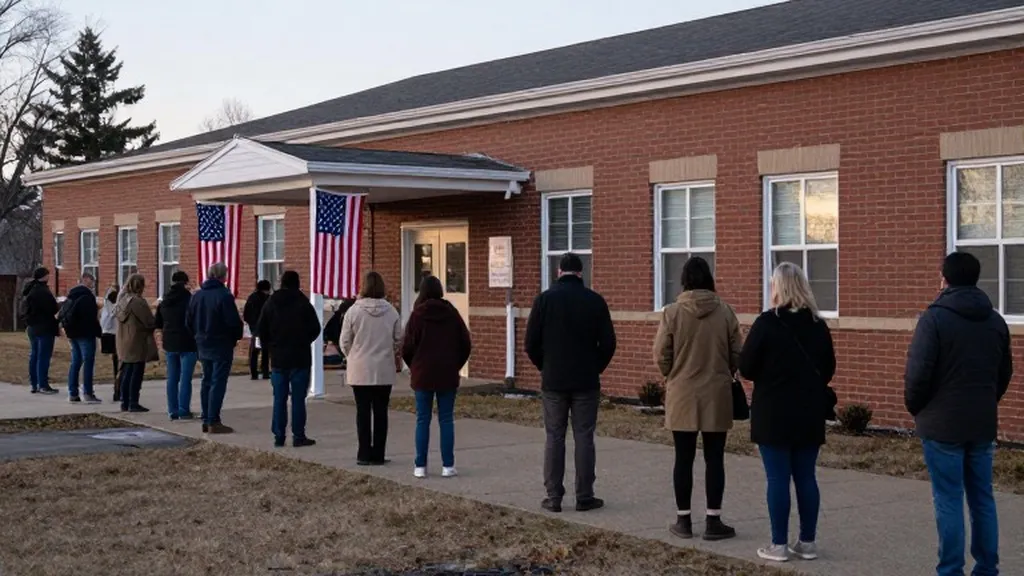
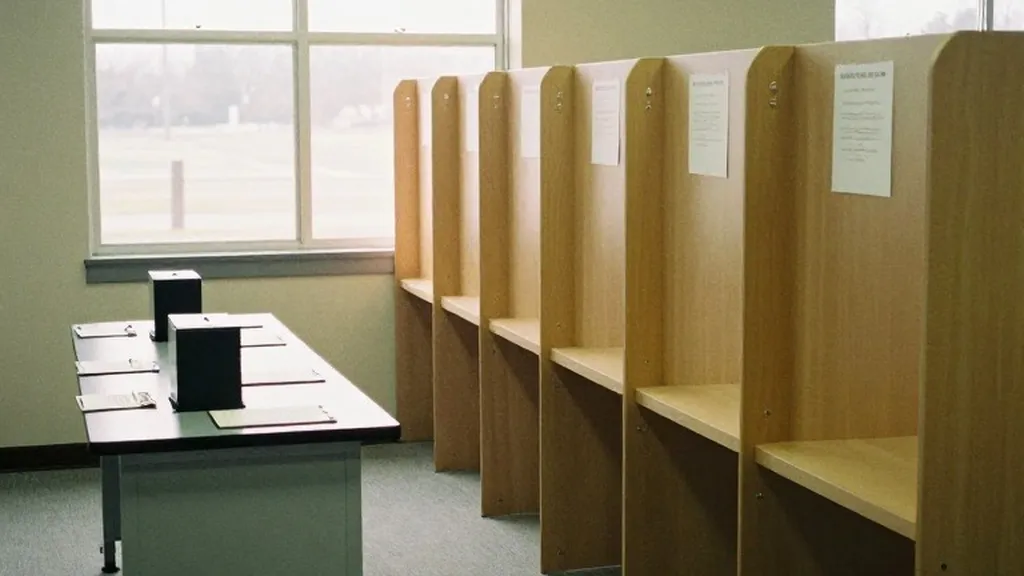
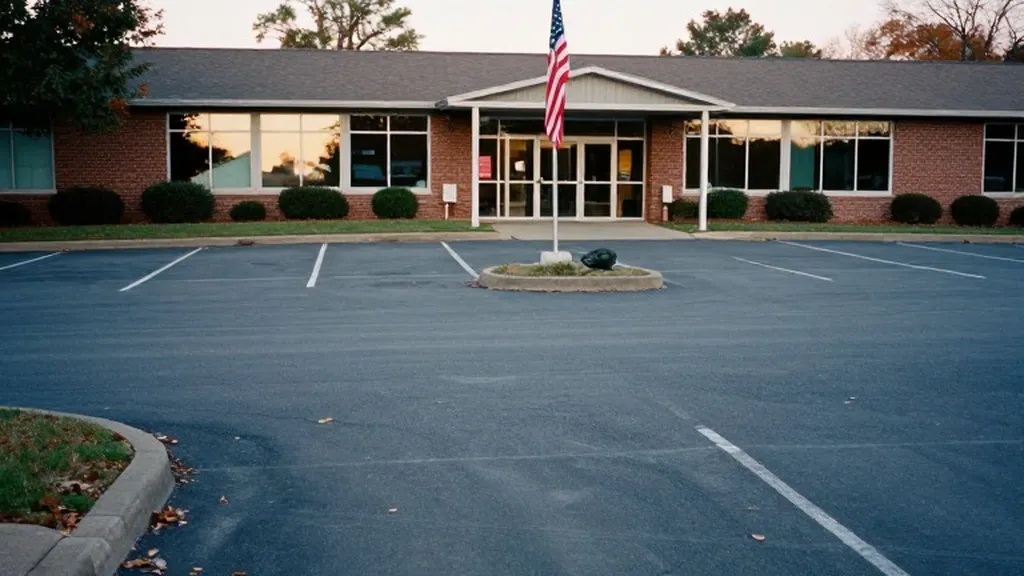
More than 230 million eligible Americans are heading to the polls on Tuesday to select their representatives in the U.S. Congress. The outcome will determine which party controls the legislative branch, with both chambers currently held by Republicans.
All 435 seats in the House of Representatives and 35 of the 100 Senate seats are up for grabs. Voters in 36 states will also choose their governors. The race is finely balanced, requiring Democrats to gain a net of four Senate seats to secure a majority. In the House, Democrats need just three additional seats to take control.
Polls open at different times across the country, with Vermont starting at 5 a.m. local time, or 10:00 GMT. New Jersey, Virginia, Connecticut, and Kentucky follow at 6 a.m. local time. In Georgia, Florida, Pennsylvania, and New York, voting begins between 6 a.m. and 7 a.m. local time. Ohio and North Carolina start at 6:30 a.m., while Michigan opens at 7 a.m. local time.
Closures begin in the evening, with Indiana and Kentucky finishing first at 6 p.m. local time, or 23:00 GMT. Michigan and Kansas close at 8 p.m. and 7 p.m. local time respectively, both equivalent to 1:00 GMT on Wednesday. Iowa closes at 8 p.m. local time, or 2:00 GMT. Alaska is the last state to finish, with polls closing around 1:00 a.m. Eastern Time, or 6:00 GMT on Wednesday.
Results will begin arriving as polls close, but early counts do not guarantee a declared winner. Officials release figures as ballots are processed, while news organizations analyze the data to determine when a race can be called. Closely contested contests may take hours or days to settle, meaning the final control of Congress may not be clear immediately.
Many mail, provisional, and other ballots are counted after Election Day, which can delay final tallies by days or weeks. Several races are drawing intense attention due to their closeness. In Michigan, Democrat Abdul El-Sayed faces Republican Mike Rogers, who received an endorsement from Democrat Haley Stevens on Sunday. In Florida, Democrat Angie Nixon challenges Republican Senator Ashley Moody, while in Georgia, Democratic Senator Jon Ossoff runs against Republican Mike Collins.
Other key matchups include Republican Senator Susan Collins facing Democrat Troy Jackson in Maine. In New Hampshire, Democrat Chris Pappas runs against former Senator John Sununu. In North Carolina, voters will choose between Democrat Roy Cooper and Republican Michael Whatley.
More Politics · World news · Report a business · Got a Story?