Durham Schools Pay Contractors $1.5 Million to Staff Special Education Classrooms
With 28 vacancies in Exceptional Children's classrooms, Durham Public Schools hires a private firm to place teachers who will work toward state licenses while on the job.
By James Brooks ·
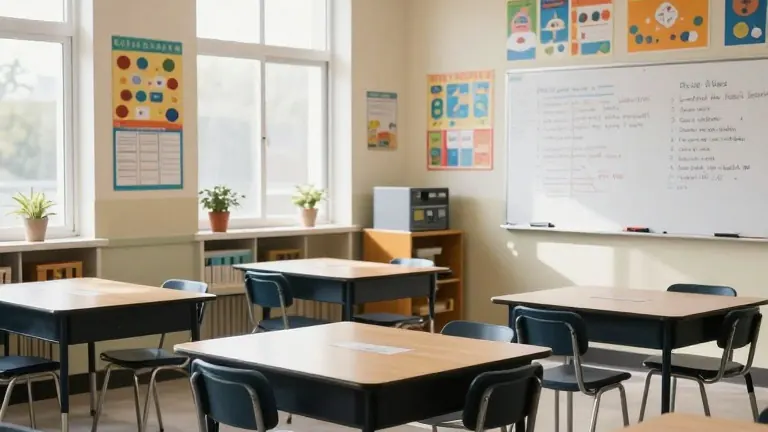
Durham Public Schools is paying a private contracting agency $1.5 million to fill 28 empty special education classrooms. The district signed an agreement with Unlimited Instruction to place teachers in schools while they work toward provisional state licenses. These educators function as long-term substitutes for the school year ending June 30.
District leaders told the school board that this move addresses a nationwide shortage of Exceptional Children's teachers. As of October 30, the district employed 329 such teachers but still faced 28 vacancies. Deputy Superintendent Nicholas King described the hiring environment as challenging and the new approach as unproven.
The contract costs the district roughly $300,000 less than hiring full-time staff for the same positions. Unlimited Instruction covers teacher salaries and helps them obtain licenses throughout the year. The district only pays for instructional hours delivered. A memo to the board argued that this method reduces recruiting pressure and administrative workload compared to traditional hiring.
Five contractors have already been matched to classrooms, with seven more in the pipeline. The program began on September 24. Teachers who complete their licensing through the contract become eligible for full-time district employment at the end of the year. Kristin Bell, the executive director of Exceptional Children's programming, called the arrangement an investment in future staff.
Christy Patterson, an Exceptional Children's teacher at Carrington Middle School, started as an instructional assistant eight years ago. She received a provisional license within 30 days and became a lead teacher. Patterson said she had to add 20 students to her caseload at one point due to vacancies. She noted that early-career teachers she has mentored rarely stay longer than one year.
Patterson, who serves as vice president for the Durham Association of Educators, said the district needs to show more appreciation to the staff it currently has. She stated that showing support and providing compensation for extra work would help retain teachers. She described her career as a gut calling that involves home visits and organizing field trips for students who may never leave Durham.
Hannah Hribar, who leads elementary Exceptional Children's programming, said burnout remains a major issue. Teachers must manage Individualized Education Plans and meet with social workers and counselors. She observed that early-career teachers are cycling through the field and leaving after only a few years. Veteran teacher numbers are not growing to replace those who depart.
About 80% of the current vacancies are in self-contained classrooms for students with severe disabilities. These rooms typically have one lead teacher and multiple instructional assistants. The remaining vacancies are for resource teachers who pull students out of general education classes. Kadeidra Smoots, the district's senior executive director of human resources, noted that unlicensed substitutes are not prepared for the behavioral demands of the job.
North Carolina ranks low for teacher pay and per-pupil spending. Maureen Short, who trains special education students at North Carolina Central University, said the field has always been difficult to staff. Her university received a federal grant in 2022 to train teachers, with a first cohort graduating this fall. The program supports 150 students, currently enrolling about 100, but Short said the number of applicants is not as high as hoped.
The university's grant-funded program covers tuition, books, and licensing exams worth about $600. It also provides a stipend to encourage enrollment. Short said the four licensing exams required for the role can deter aspiring teachers. Teachers from this program are funneled into jobs in Wake and Chatham counties, while Durham Public Schools maintains a separate partnership to train instructional assistants.