
FDA clears generic HIV shot expected to cost $40 a year in 120 countries
The approval of a twice-yearly injection aims to lower barriers to prevention in low- and middle-income regions, matching the price of current daily pills.
By Fatou Mitchell ·
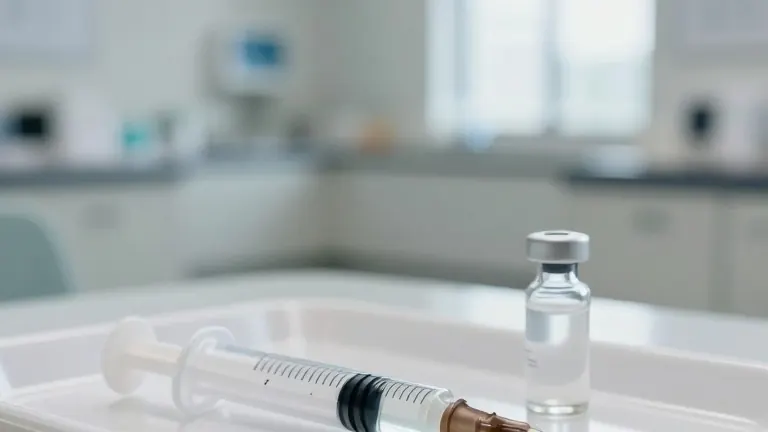
The U.S. Food and Drug Administration has approved a generic version of lenacapavir, the only medication available that prevents HIV with injections administered only twice a year. The new formulation is projected to cost $40 per person annually in 120 low- and middle-income countries. This price point is identical to the cost of current daily preventive pills but offers a significantly different delivery method for patients.
The approval was announced on Monday by the manufacturer and the organizations that facilitated the drug's development. Lenacapavir is designed for pre-exposure prophylaxis, a medical practice where individuals at high risk for HIV take medication before potential exposure to the virus. The drug has demonstrated high efficacy in clinical settings, nearly eliminating new infections in studies involving high-risk populations.
For decades, the standard of care for HIV prevention has relied on daily oral medication. Compliance with this regimen can be difficult for some patients. Carmen Pérez Casas, the HIV lead for the grant-making organization Unitaid, noted that protection against the virus is only maintained if the medication is taken consistently. She stated that the availability of the twice-yearly shot provides a more reliable path to prevention for those who struggle with daily dosing.
Gilead Sciences holds the patent for the brand-name version of the drug, Yeztugo, which was approved in the United States last year. Because of this patent protection, the generic version cannot be sold in the U.S. market. The list price for Yeztugo in the United States is $28,218 per year before insurance. Gilead officials indicated that this price is comparable to other forms of pre-exposure prophylaxis available in the country.
The FDA granted the approval under a longstanding practice intended to ensure the quality of HIV-related drugs supplied to other nations by the U.S. government. This designation is considered tentative while the original brand-name drug remains under patent. The approval is expected to accelerate regulatory processes in other countries, allowing the medication to reach global markets more quickly.
Dr. Reddy’s Laboratories, based in India, developed the generic version of the drug. The project was brokered by Unitaid, the Clinton Health Access Initiative, and Wits RHI, a health research institute in Africa. These partners worked to accelerate development and secure an affordable price point. Last year, Gilead established royalty-free licensing agreements with six other generic manufacturers to enable production in specific regions of sub-Saharan Africa, Asia, and Latin America.
Common side effects associated with lenacapavir include injection site reactions, headaches, and nausea. Patients must undergo HIV testing before starting the medication and before each subsequent injection. This requirement exists because drug-resistant strains of HIV have been identified in individuals who began treatment with an undiagnosed infection. Saiqa Mullick, director of implementation science at Wits RHI, explained that rapid testing is the standard procedure in many of the target countries.
The generic medication is expected to become available in some locations within weeks. However, countries that require their own domestic approval processes may experience a longer wait. Carolyn Amole, who leads the HIV program for the Clinton Health Access Initiative, stated that the next steps involve securing funding to purchase the drug for the 20 million people worldwide who require pre-exposure prophylaxis. She described the approval as a major milestone in the effort to end the HIV epidemic.