Seven Million Dollars in Final Week Ads
Both parties are pouring six-figure sums into 70 House races as Democrats aim to reclaim the chamber by November 3.
By Fatou Mitchell ·
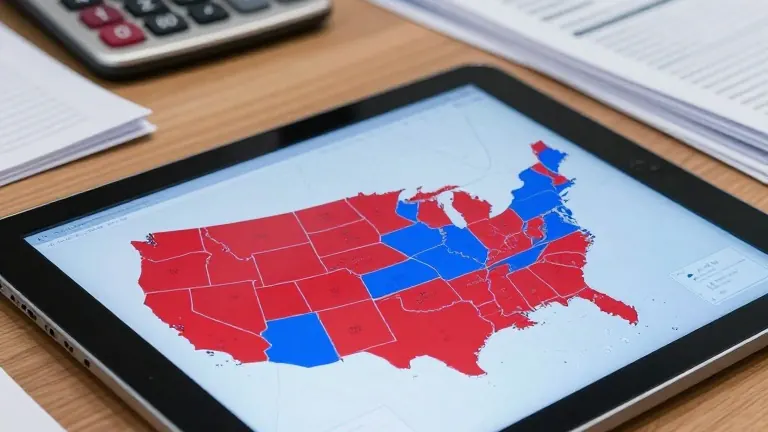
Ad spending in the final week before the November 3 general election shows a competitive field spanning 70 congressional districts. Both parties are investing at least $100,000 in each of these races to secure their final messaging budget. The core strategic battle is no longer about preventing a Democratic wave but measuring its height.
The Cook Political Report currently lists Democrats as favored in 220 seats. It rates 17 districts as toss-ups and another 30 as leaning Republican. This data suggests the current Republican advantage of 218 to 214 seats in the House will likely shift to Democratic control. The midterm environment historically disadvantages the party in power, and current polling aligns with that historical trend.
An NPR/PBS News/Marist poll shows Democrats holding a 10-point lead among registered voters. The gap narrows to 8 points among likely voters on the generic congressional ballot. This statistical advantage makes a wider range of seats competitive before accounting for individual candidate quality or specific outside spending. Cost of living issues, including rising gas prices and tariffs, remain the primary concern for voters in these contests.
Heavy spending is concentrated in specific high-value districts. Michigan’s 7th District and North Carolina’s 1st District are the most expensive, with each seeing over $12 million in planned ad buys. Florida’s 14th, 22nd, and 25th Districts also rank high in expenditure. New York’s 17th District and Iowa’s 2nd and 3rd Districts are receiving substantial resources. These districts include several redrawn by Republicans to minimize Democratic voting power, such as Alabama’s 2nd and Tennessee’s 9th Districts.
The 70 districts with six-figure ad spending from both parties voted for Donald Trump by an average of 9 points in 2024. This includes deep-red communities in Tennessee, Oklahoma, and Arkansas where seven-figure ad buys are taking place. Republicans are also directing last-minute resources to districts where gerrymandering efforts might backfire. The overlap of priority lists from the Democratic and Republican House campaign arms covers 60 districts, reflecting the administration's unpopularity.
Recent redistricting after a Supreme Court decision further scrambled the map. Republicans shifted boundaries to add conservative voters into districts held by Democrats such as Marcie Kaptur in Ohio, Don Davis in North Carolina, Shomari Figures in Alabama, and Darren Soto in Florida. Democrats performed similar redistricting in California to protect districts held by Republicans James Gallagher, David Valadao, Ken Calvert, Darrell Issa, and independent Kevin Kiley. Only Figures and Soto are in districts currently rated as favoring Republicans.
Several seats that voted for one party’s presidential candidate and the other party’s House nominee in 2024 have shifted toward Democrats. This includes districts held by Adam Gray in California, Nellie Pou in New Jersey, and Marie Gluesenkamp-Perez in Washington. The retiring Don Bacon in Nebraska also fits this profile. AdImpact data shows Republicans have slashed ad reservations in these four districts in recent weeks. A record number of retirement announcements and an anti-incumbency streak in primaries are amplifying the competitive nature of these races.