Alaska Governor Orders Probe of Senate Ballot Name Conflict
Gov. Mike Dunleavy directed state officials to determine if criminal or civil penalties apply after a report alleged Democrats sought to add a candidate named Dan Sullivan to the ballot.
By Fatou Mitchell ·
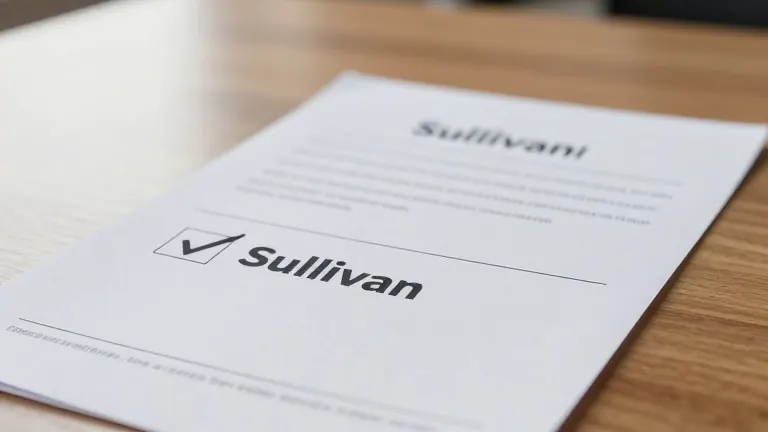
Alaska Governor Mike Dunleavy ordered an investigation on Wednesday to determine whether criminal charges or civil penalties should be imposed in the state's U.S. Senate race. The probe follows a report by The New York Times alleging that Democrats worked to place a candidate named Dan Sullivan on the ballot to confuse voters.
The incumbent Republican candidate, Sen. Dan Sullivan, shares his name with the alleged spoiler candidate. Dunleavy stated that the Alaska Division of Elections had already investigated similar concerns in June. He noted that the state is now reviewing the new allegations to decide on the appropriate legal response.
President Donald Trump weighed in on the controversy earlier in the day. He described the situation as voter fraud at the highest level and urged that Democrat Mary Peltola be removed from the ballot and prosecuted. The President has been vocal in his support of the incumbent in the Alaska race.
Mary Peltola is the former Alaska representative running for the Senate seat. Her campaign and the Democratic Senatorial Campaign Committee have both denied involvement in the alleged plan to recruit a candidate with the same name as the incumbent. Peltola is considered one of the top Democratic recruits for the upcoming midterms.
Legal experts have suggested that the reported recruiting of a spoiler candidate may not be illegal. However, the dispute has intensified the scrutiny on the election process in Alaska. The state’s election officials maintain that the federal government does not have a role in deciding who is eligible to run.
A lawsuit filed by the Department of Justice seeks to block the certification of the election if the incumbent loses. The administration argues that the presence of two candidates named Dan Sullivan creates significant confusion. Alaska officials have opposed this intervention, stating that the recent report does not change their stance on the lawsuit.
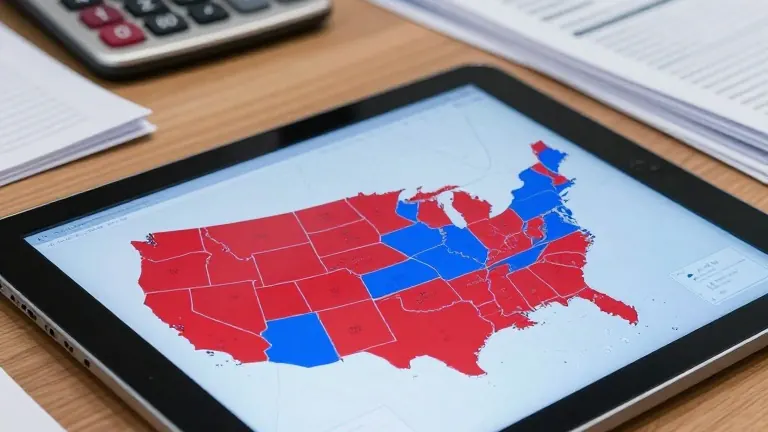
The controversy in Alaska is part of a wider set of disputes affecting the 2026 midterms. In other key Senate races, polling indicates that Democrats hold leads in Michigan and Texas. The races in Maine and Kansas remain too close to call, with no clear leader in either contest.
Early voting data from 25 states shows that Democrats currently have a 14-point advantage in turnout among high-propensity voters. These are voters who participated in the last two general elections. Republicans have a large share of high-propensity voters who have not yet cast their ballots, leaving room for a late surge in the final days before Election Day.