NC Wildlife Biologist Warns Commuters to Expect More Deer Collisions This Month
Auto body shops report a surge in damage as mating season drives white-tailed deer into high traffic zones during morning and evening hours.
By Bianca Herrera ·
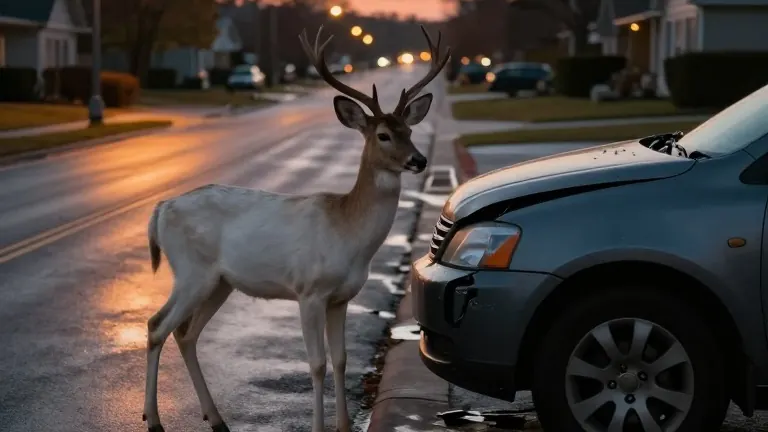
Drivers in North Carolina face elevated collision risks as the state enters the peak of the deer rut, a mating season that intensifies animal movement along roadways. Falyn Owens, a wildlife extension biologist with the North Carolina Wildlife Resources Commission, explains that female deer entering estrus and males seeking mates create unpredictable crossing patterns. This behavior coincides directly with the busiest periods for human traffic.
The financial impact on motorists has already materialized in local repair facilities. Donald Bowes, an auto body shop owner, reported that five vehicles arrived with deer-related damage in a single Monday through weekend period. He noted that October, November, and December historically represent the busiest months for such repairs. Bowes estimates that damage to many of these vehicles ranges from $5,000 to $12,000, a cost that can strain personal budgets and insurance deductibles.
Individual drivers report that these encounters are becoming routine rather than rare exceptions. Larry Thornburg stated that he has struck a deer twice on the same vehicle within the last four or five years. These repeat collisions suggest that standard caution measures may not be sufficient during the current season. The frequency of hits indicates a persistent interaction between wildlife habits and commuting schedules.
Owens emphasized that white-tailed deer have successfully adapted to urban and suburban environments. They thrive in older neighborhoods featuring dense tree coverage and bushes, meaning city residents are not immune to these risks. The biologist noted that deer do not assess road safety before crossing. They move with a singular focus on reaching their destination, often ignoring oncoming traffic. This lack of caution increases the likelihood of accidents in areas previously thought to be safe from wildlife.
Timing presents a specific challenge for commuters. Deer activity peaks at dawn and dusk, which aligns with the highest volume of driving activity. Owens advised that drivers should assume any single deer sighted on a roadway is likely accompanied by others. She recommended slowing down and maintaining heightened alertness if one deer is observed, as a group crossing can occur without warning. Drivers in rural and urban areas alike should adjust their speed and attention levels during these transitional light periods.