Knesset Election: 7.3 Million Israelis Vote in Tight Race
Polls close at 10 p.m. as voters weigh the futures of Benjamin Netanyahu and Gadi Eisenkot.
By James Brooks ·
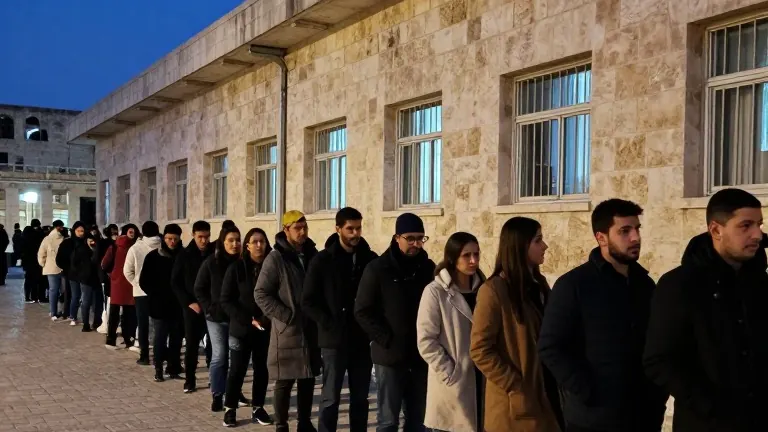
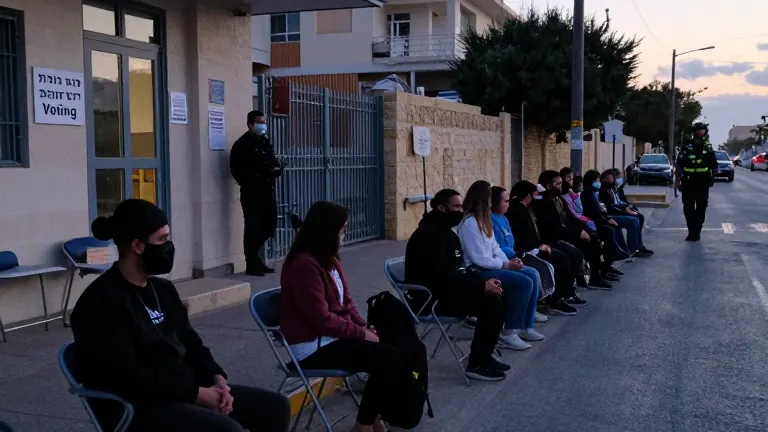
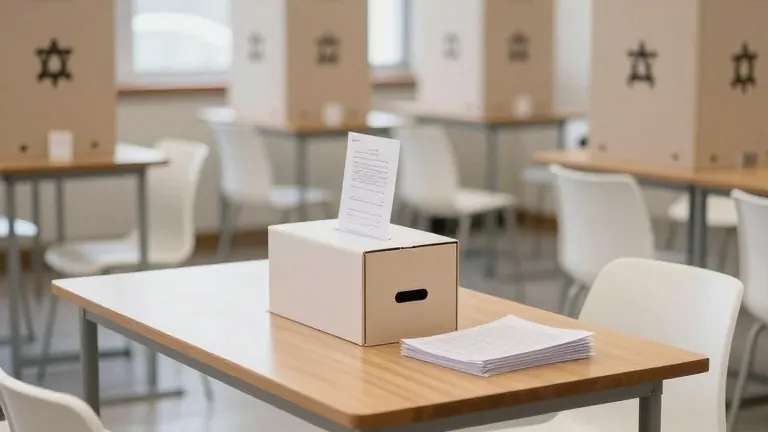
Israelis cast ballots on Tuesday in a national election for the 120-seat Knesset. The Central Election Committee reported that more than 7.3 million citizens are eligible to vote. This includes approximately 330,000 young Israelis who spent their high school years during the recent conflicts. Around 12,000 polling stations operated across the country, with most closing at 10 p.m. local time.
The vote determines which political parties will form a majority coalition. No single party has ever secured the 61 seats required for a majority on its own. Opinion polls indicate a close contest between the bloc led by Prime Minister Benjamin Netanyahu and the coalition headed by former military chief Gadi Eisenkot. Analysts expect weeks or months of negotiations among the dozen parties likely to win seats.
Eisenkot campaigned in Ofakim, a southern community targeted during the October 7, 2023, attack. His presence there aimed to emphasize security failures and Netanyahu's refusal to establish a state commission of inquiry. Eisenkot lost his son and two nephews in combat in Gaza. In Kiryat Shmona, a stronghold for Netanyahu near the Lebanese border, a man tore down a poster of Eisenkot.
Voters in Jerusalem expressed divided sentiments at a school polling station. Noga Mizrahi, who traveled from the kibbutz Nirim, described the election as critical. Nisim Cohen, a reservist, voted for Netanyahu, stating that the prime minister is not responsible for the October 7 attack. Cohen wants Netanyahu to continue wars in Gaza, Lebanon, and Iran until Israelis feel secure. In Tel Aviv, families of hostages and victims held a moment of silence.
Yona Adam, whose son Mapal was killed in the 2023 attack, urged voters to remember those who are gone. Eyal Sher, a volunteer for the civil society group Elections Guards, said the group wants to ensure procedures remain intact. He criticized the current government's desire to stay in power. Thousands of volunteer observers monitored the process at polling stations nationwide.
Netanyahu, 77, has dominated Israeli politics for nearly two decades. A strong performance would cement his status as a political survivor. U.S. President Donald Trump endorsed Netanyahu earlier this month, a move that marked a setback for the Likud leader who had previously relied on his personal ties to the American president. The campaign focused on Netanyahu's role in the October 7 security breakdown, his attempts to exempt ultra-Orthodox Jews from service, and a 2023 judicial overhaul.
Ballots are manually counted at each polling station immediately after voting ends. The results will determine whether Netanyahu continues to lead a government or if Eisenkot's bloc gains the leverage to form a new coalition.