Netanyahu faces final test in Israel vote
Voters decide between the incumbent and a former military chief as turnout is expected to be high.
By Bianca Herrera ·
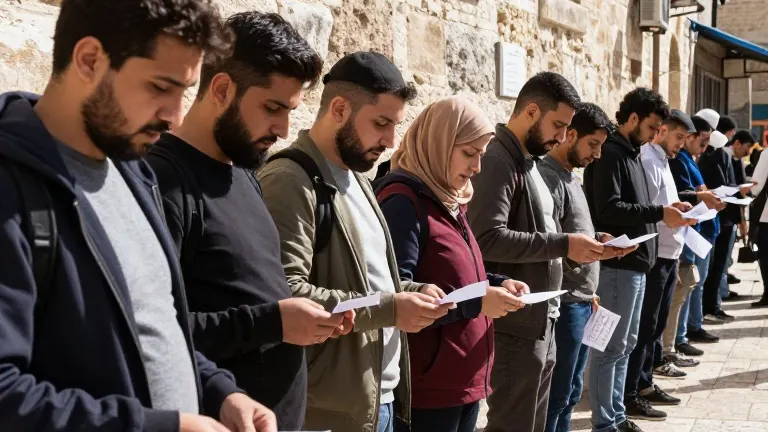
Israeli voters head to the polls today to determine the next government, marking the first national election since the Hamas attacks of October 7, 2023. The contest pits Prime Minister Benjamin Netanyahu, the country's longest-serving leader, against Gadi Eisenkot, a former military chief who promises a shift toward diplomacy and away from political extremism.
NPR correspondent Ruth Sherlock reports that a high turnout is anticipated, with many citizens viewing this ballot as a critical juncture for the nation's future. Israelis residing abroad have traveled home to participate in the vote. The outcome will dictate whether the far-right coalition remains in power or if a new leadership structure emerges to address ongoing security concerns.
Opinions remain sharply divided among those casting ballots. At one polling station, Sherlock interviewed Itamar Ariel, who supports Netanyahu. Ariel believes the prime minister is the only figure capable of ensuring Israel's security, despite the country's current challenges. Conversely, other voters argue that Netanyahu must be removed due to security failures. These critics demand a formal investigation into the events of October 7, an inquiry that Netanyahu has previously blocked.
The final result may not be immediately clear. While a general idea of which party secures the most parliamentary seats could emerge by Wednesday morning, the vote count might extend for several days. Determining the next prime minister often requires days or even weeks of negotiations between competing parties to form a governing coalition.
In the United States, a federal judge is hearing arguments in the Trump administration's effort to force California to set aside ballots from voters alleged to be non-citizens. This legal move follows an appeals court decision late yesterday to decline the administration's request to intervene in the process.
Separately, President Trump announced a $1 million reward for tips leading to voter fraud convictions. The White House states the initiative aims to secure elections, though NPR's Eric McDaniel notes that credible evidence of fraud large enough to affect U.S. election outcomes has never been found. The announcement prompted Democrats and election officials to prepare for similar accusations in the coming days.