Eisenkot's Yashar leads polls as Netanyahu bloc faces slim path to majority
With exit polls set for 10 p.m., the 61-seat threshold remains out of reach for either camp, leaving Arab parties and small contenders as decisive factors.
By James Brooks ·
Gadi Eisenkot's Yashar party is projected to win 22 Knesset seats, a figure that places it ahead of Prime Minister Benjamin Netanyahu's Likud in the final pre-election survey. This number stands as the highest single-party total in the current race, according to a Channel 12 poll released on Friday.
The election represents the first Knesset vote since the Hamas attack on October 7, 2023. Voters in Israel and at diplomatic missions abroad have been weighing three years of war against traditional policy debates. The political balance has shifted since the 2022 vote, with security concerns dominating the campaign trail.
Neither the governing coalition nor the opposition bloc is projected to secure the 61 seats required for a stable majority without support from Arab parties. The Channel 12 poll places the opposition bloc at 56 seats and Netanyahu's bloc at 50. Arab parties are projected to win a combined 16 seats, making their alignment a critical variable for any future government.
Netanyahu's Likud party faces a steep drop in representation, with projections indicating 19 seats compared to the 32 it currently holds in the outgoing Knesset. Eisenkot's Yashar party leads the opposition, while Naftali Bennett's B'Yachad party is projected to receive 14 seats. The opposition has argued that Netanyahu should be held accountable for the events of October 7, a position that has defined much of the campaign.
The outcome hinges on voter turnout and the performance of small parties struggling to clear the 3.25% electoral threshold. Prof. Alex Weinreb of the Taub Center estimates that a party needs 165,635 votes to cross the threshold if turnout reaches 70%, a rate similar to the 2022 election. As turnout increases, the required vote count rises, potentially excluding smaller contenders like Ofer Winter's People of Israel party and Yoaz Hendel's Reservists-Economics party.
Key issues for voters include the Israel Defense Forces' manpower crisis and the contentious draft legislation for Haredi (ultra-Orthodox) soldiers. Many parties have also called for a state commission of inquiry into the government's failures leading up to the October 7 attack. Traditional debates over the establishment of a Palestinian state have receded, as most parties now agree against statehood in the near term.
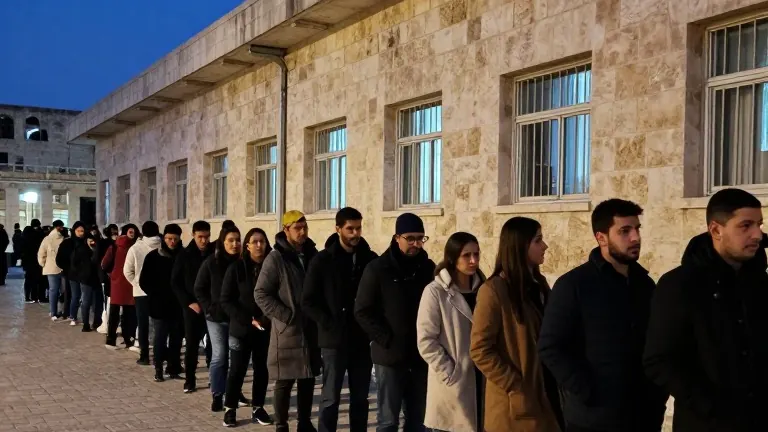
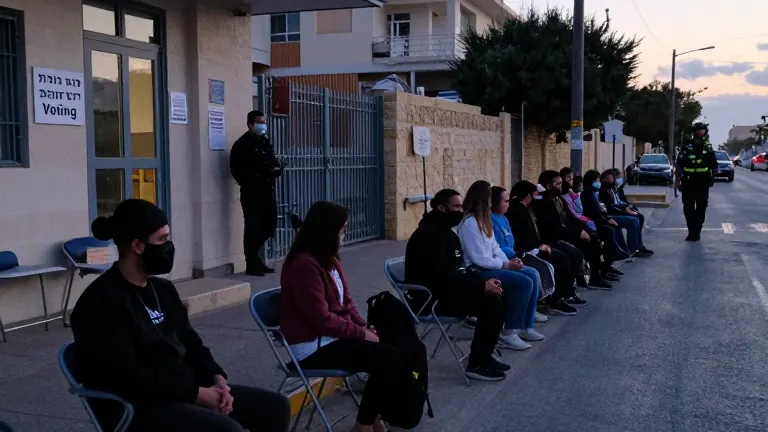
Polling stations opened at 7:00 a.m. on Tuesday, with exit polls expected to provide preliminary projections at 10:00 p.m. Official results will be finalized in the coming days after the complete vote count. Voting at military bases began last week, and ballots cast at diplomatic missions concluded on October 16.
Police have deployed approximately 20,000 officers, Border Police personnel, and volunteers to maintain public order. These forces are positioned at thousands of polling stations nationwide to safeguard the democratic process and protect voters. The authorities aim to prevent clashes, particularly in the hours following the release of exit poll data.