40,000 Salmon Lost to Trawlers Spark Alaska Senate Fight
Pollock fleets have caught 40,000 Alaska salmon this year, a figure driving a contentious campaign between Dan Sullivan and Mary Peltola.
By Fatou Mitchell ·
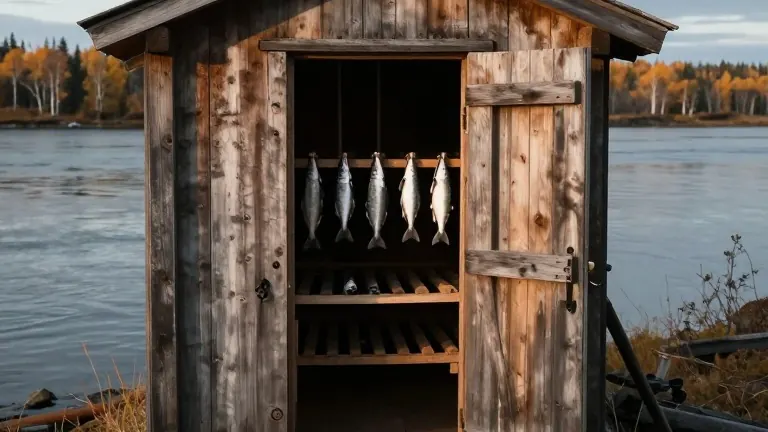
The drying racks in Evon Waska’s smokehouse along the Kuskokwim River in western Alaska are empty. For years, the river has seen fewer returning salmon from the Bering Sea. Government agencies have closed the river to subsistence fishing to conserve the remaining stock. Waska, who fishes to feed his family, argues that regulators close his river while industrial trawlers continue operating miles offshore.
The conflict centers on the pollock industry, a sector valued at $1 billion with much of its base in Seattle. Trawlers use nets that are a quarter mile long with openings the width of a football field. These vessels target pollock, a white fish used in products like the Filet-O-Fish at McDonald’s. The process also captures king salmon and other species by accident. This bycatch is often discarded, creating tension between distant corporate interests and local communities.
The issue has become the central theme of the U.S. Senate race in Alaska. Republican incumbent Dan Sullivan has aligned himself with the pollock industry for years. This year, he introduced a bill he describes as the most comprehensive bycatch legislation ever to reduce waste and protect seafloor habitat. Sullivan’s campaign ads urge voters to thank him for fighting for fishermen. His Democratic challenger, Mary Peltola, an Indigenous woman from the Kuskokwim region, claims Sullivan is taking large sums from out-of-state trawlers while offering a weak solution.
Peltola stated that Sullivan reeled in over $300,000 from trawlers. She promised to ban factory trawlers, the largest vessels in the pollock fleet, if elected. Her campaign ads label Sullivan’s bill an election year ploy. In contrast, Heather Mann, who leads a trawlers association, argues that the industry is being made a scapegoat. Mann noted that scientific data suggests eliminating pollock would have a minimal impact on salmon runs.
Industry data shows that pollock trawlers have caught 40,000 Alaska salmon so far this year. While this number represents a small percentage of the total pollock harvest, the loss is deeply felt in villages like Kwethluk. Subsistence fishing remains the primary occupation and cultural backbone of the community. Tribal president Mary Nikolai described the scene in local smokehouses as a slow trend of closing the workforce out. She observed that most smokehouses remained unused throughout the summer due to the lack of fish.
President Trump has moved to preemptively block election results in Alaska if the Republican incumbent loses. This federal intervention adds a layer of national tension to a local dispute over river access and fish stocks. The race could determine the balance of power in the U.S. Senate. Both candidates have placed fish issues at the center of their messaging, with ads highlighting bycatch and corporate influence.
Waska’s empty racks stand as a visible marker of the decline in the Kuskokwim. The debate over trawling and subsistence rights has moved from village councils to national political arenas. The outcome of the November vote will shape the regulatory environment for Alaskan fisheries. For residents in remote western Alaska, the stakes involve daily sustenance and cultural continuity.