Midterm Election Results Trigger Volatility in AI and Tech Sectors
Democratic midterm victories have caused a sell-off in AI stocks, raising concerns about regulatory hurdles and local opposition to the rapid expansion of data centers.
By News Media House Staff ·
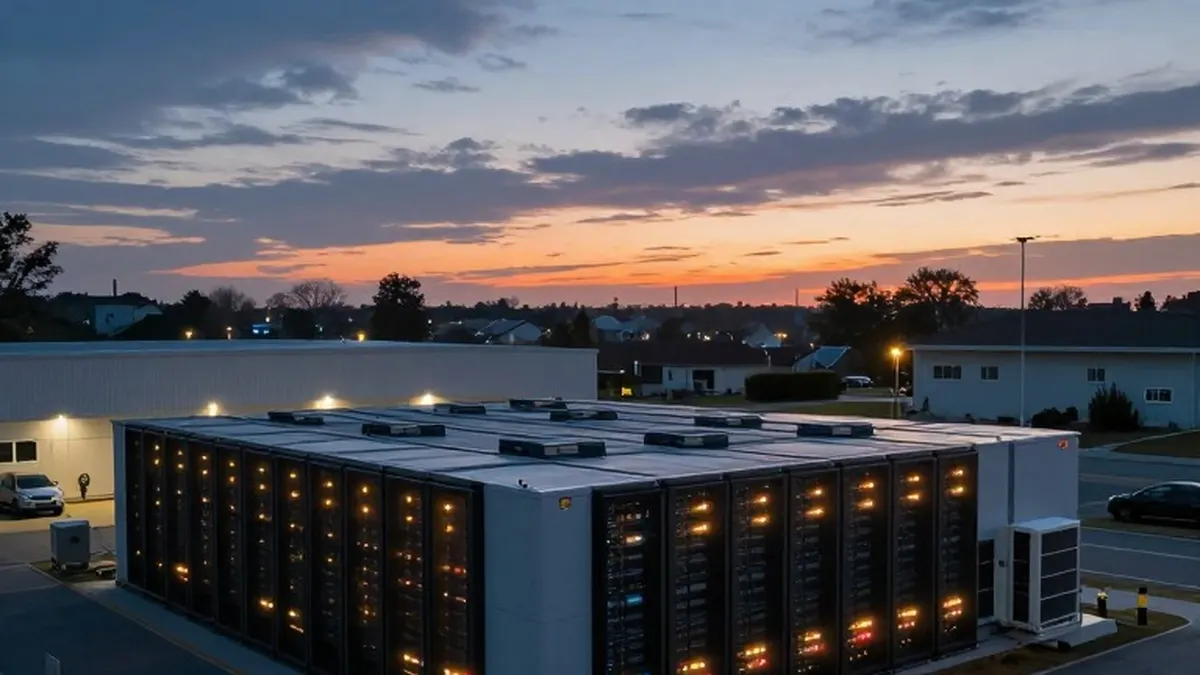
The decisive victory of the Democratic Party in the recent midterm elections has introduced significant uncertainty into the U.S. tech sector, particularly regarding the expansion of artificial intelligence infrastructure. This political shift is viewed by market analysts as a potential obstacle to the massive construction plans for AI data centers across the country. Following the release of the election results, investors reacted with caution, leading to a period of heightened volatility for technology and AI related stocks.
A sharp sell-off occurred on Thursday, affecting major tech companies in both the United States and Europe. Nvidia shares declined by 9.3 percent, while AMD experienced a drop of 17.3 percent. Other notable declines included Microsoft at 3.6 percent, Micron at 17.5 percent, Broadcom at 10.4 percent, Tesla at 10.8 percent, and SpaceX at 9.1 percent. Neoclouds, which provide AI computing power through large data center projects, were also heavily impacted, with Nebius down 15 percent, Iren down 17 percent, and CoreWeave down 10 percent.
Although U.S. tech stocks showed signs of recovery by Friday morning, the market reaction serves as a warning of potential challenges ahead for the AI boom. Kyle Rodda, a senior financial market analyst at Capital.com, noted that the initial drop in tech stocks continued as investors considered the implications of a Democrat controlled Congress for tech regulation and the broader AI industry.
Rodda highlighted that these regulatory and political risks emerged when the AI investment landscape was already unstable. He pointed out that earnings season had been disappointing, with major tech companies failing to meet growth expectations and signaling a slowdown in AI spending. The prospect of local measures, such as moratoriums on new data center construction, has prompted investors to exit AI related trades.
Opposition to data centers has been a persistent issue in the U.S. According to research by the International Data Center Authority, at least 46 AI data center projects across 20 states were blocked, withdrawn, or stalled between January 2024 and May 2026. These projects represented over $170 billion in announced investment and faced community resistance. Dozens of local ballot measures in 10 states voted on Tuesday aimed to restrict data center construction in various ways.
Dan Ives, a partner at Yorkville Ives & Co., stated that the midterm results will likely slow the pace of the 800 to 1,000 data centers planned for the U.S. He believes that Democratic control, especially in the Senate, will create significant hurdles for the AI sector over the next two years. Ives suggested that Big Tech capital expenditure growth may peak in 2027, earlier than previously anticipated.
The scale of projected AI infrastructure spending is substantial, with Goldman Sachs estimating that AI related capital spending could reach approximately $7.6 trillion from 2026 through 2031. However, the sector faced headwinds even before the election, with chipmakers and neoclouds selling off in October due to concerns about rising interest rates and overspending. Many large technology companies have seen their cash flow turn negative as they invest hundreds of billions in AI infrastructure.
Dominique Toublan, head of U.S. credit strategy at Barclays Investment Bank, described the current situation as a shift from a competitive race to a war of attrition. He noted that AI pushback is bipartisan but local, which makes the buildout more expensive rather than halting it entirely. Scarce power resources are expected to favor companies with the largest balance sheets.
The political changes also have implications beyond data centers. The Democratic sweep of Congress is likely to reset the political landscape for the cryptocurrency industry. This shift could lead to a more adversarial approach in Washington, potentially delaying industry friendly legislation such as the Clarity Act. The broader impact of these midterm results continues to shape investor sentiment and strategic planning across the tech sector.
Originally published by News Media House
More News · National news · Report a business · Got a Story?