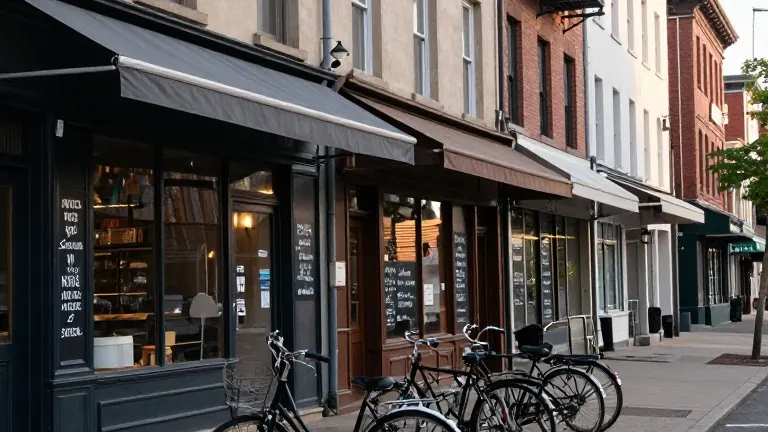
Boycott Ride Targets Jewish Businesses in Philadelphia
A local cycling group is organizing a protest that demands Zionist establishments leave the city, raising questions about the line between political dissent and economic exclusion.
By James Brooks ·
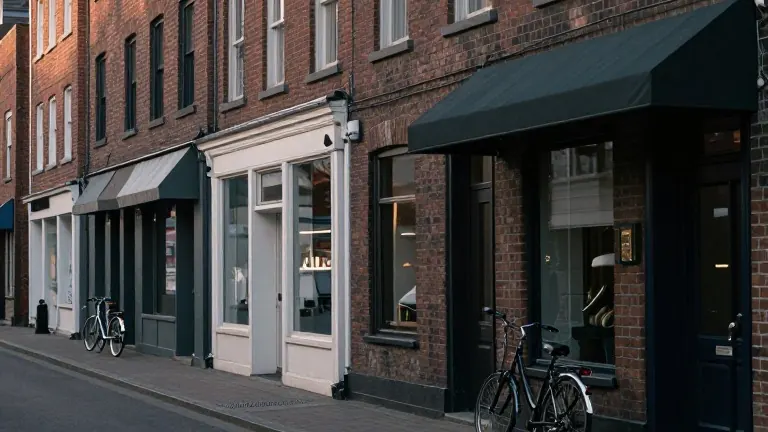
A new protest in Philadelphia is drawing attention to Jewish-owned businesses.
The group, Philly Bike On Your Left, has organized an event called the Boycott Ride. The organizers describe the ride as anti-Zionist. They have issued a specific demand: Zionist establishments must go.
The protest frames the action as solidarity with Palestinians in Gaza. However, the targets of the campaign are not the Israeli government itself, but local businesses in the community.
The group seeks to distinguish their cause from other international conflicts. They note that China’s persecution of the Uyghurs and Russia’s invasion of Ukraine differ from Israel’s military response to the Hamas attacks of October 7, 2023. The organizers argue that one can support Israel’s right to defend its citizens while still scrutinizing its government’s decisions.
The central issue is the application of collective guilt. The protest asks whether a person’s religious or ethnic identity makes them accountable for a foreign government's actions. It challenges the community to apply the same standard to Jewish Americans as it would to other minority groups.
The First Amendment protects the right to protest, dissent, and boycott. It allows for the expression of deeply offensive political views. However, the protection of speech does not automatically grant moral legitimacy to every exercise of that freedom.
The debate centers on the difference between condemning a government's policies and targeting neighbors based on their heritage. If a community rejects the idea that a Chinese restaurant owner is responsible for Beijing’s policies, the same logic applies to a Jewish shopkeeper and Israel’s actions.
The Boycott Ride tests the local commitment to tolerance. The standard for judging prejudice is not who is targeted, but who is doing the targeting. The test is whether a community will condemn prejudice when it comes from people whose cause they support.
Farah Jimenez, a nonprofit and civic leader in Philadelphia, recently joined 450 leaders in Denver for the Together at the Crossroads conference. The event, hosted by the Merage Foundation, focused on allyship and unity in combatting antisemitism.