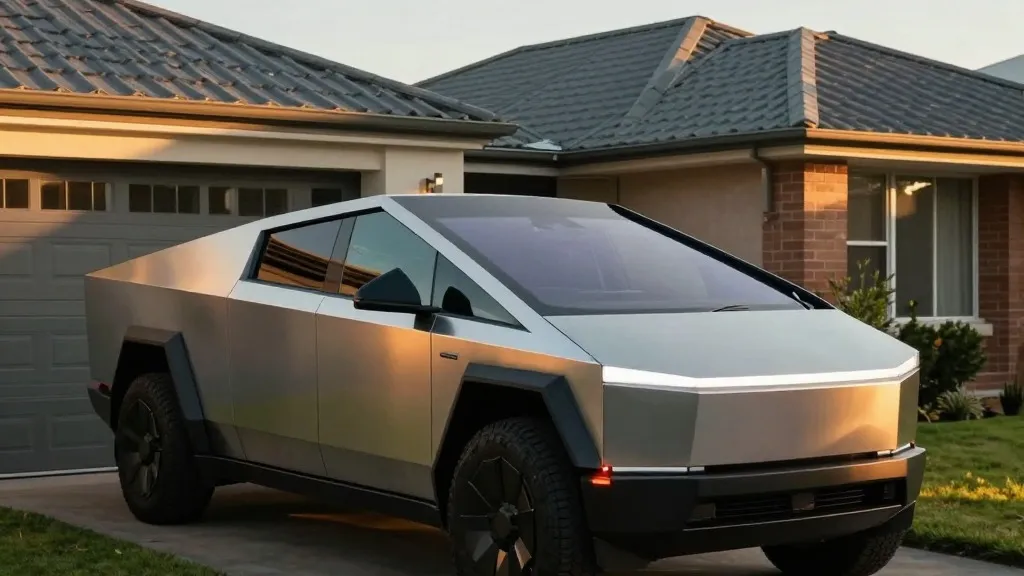
Tesla owners face a narrower path to hands-free driving
The company's latest update limits unsupervised driving to specific city areas, changing the long-standing promise of a fully autonomous personal vehicle.
By Bianca Herrera ·
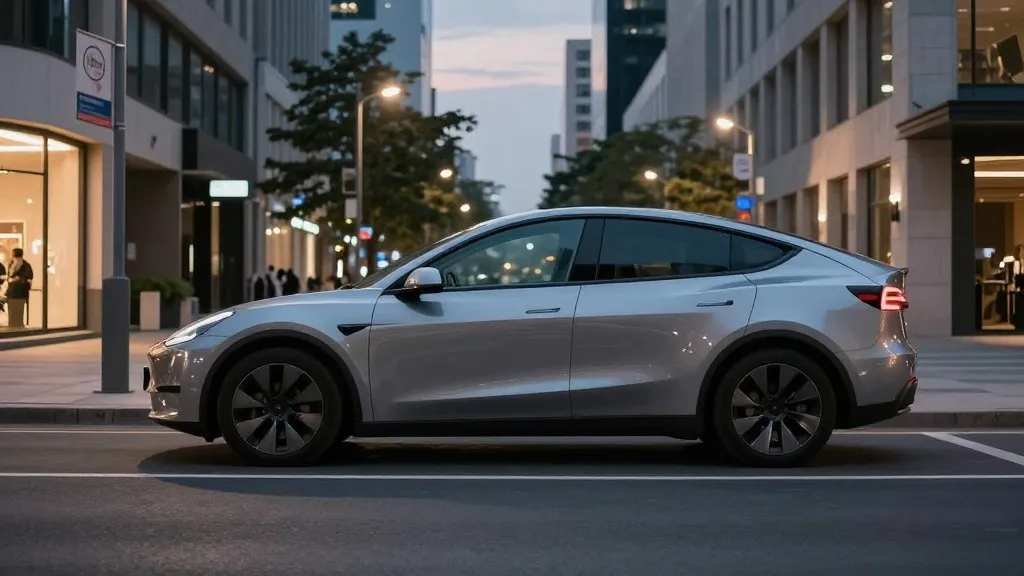
For drivers in the Mid-Atlantic and other regions, the practical reality of owning a Tesla is shifting. The vehicle is no longer positioned as a personal machine that will eventually handle any route. Instead, the car is becoming a node in a larger, company-managed network. This change means that the ability to let the car drive itself without a human watching the road will be geographically restricted. Owners will not gain the freedom to travel anywhere they wish, but rather the ability to participate in a specific service.
On its third-quarter 2026 earnings call, Tesla provided a new timeline for this transition. AI chief Ashok Elluswamy stated that unsupervised Full Self-Driving in customer-owned vehicles is targeted for the second quarter of 2027. This date responds to a question that held significant weight, backed by approximately 1.1 million shares from retail investors. However, the definition of the feature has shifted. It is not a simple software update that grants universal autonomy. Rather, it is a mechanism for owners to integrate their private vehicles into Tesla's existing Robotaxi fleet.
The operational scope of this system is currently limited to six major U.S. metropolitan areas. Even within these cities, the service areas are small and geographically specific. In Miami, the zone covers mostly West Miami and a strip toward Doral and Sweetwater. Orlando and Tampa launched in July with similarly narrow geofences. The routes within these zones are low-speed, avoiding highways and complex urban environments. In the Bay Area, the service is not yet unsupervised due to California regulations that require a safety driver.
The scale of the current operation remains modest. By the end of the third quarter, Tesla reported nearly two million cumulative unsupervised miles. This figure includes the Cybercab, which joined the Austin fleet one month prior. Third-party tracking from this spring indicated only dozens of fully driverless Teslas on the road, a far cry from the hundreds of thousands previously suggested by leadership. Competitor Waymo, which entered Orlando and Tampa before Tesla, has already accumulated over three million miles.
This development marks a departure from the marketing narrative that has persisted for a decade. Elon Musk previously promised that unsupervised FSD would be available for personal use by the end of 2025 in certain geographies. A year before that, he expressed doubt that the technology would not be ready the following year. Owners of the HW3 computer have already been informed that their hardware cannot run the unsupervised version, with no clear upgrade path. The new target of 2027 reflects a more constrained product: a car that operates as a Robotaxi within designated zones under Tesla's control.
The implications for buyers are clear. The promise has moved from a vehicle that drives you anywhere to one that works as a Robotaxi inside a controlled geofence. There are no highway road trips or cross-town airport runs. The unsupervised commute is only possible if both home and work fall within the service area. Elluswamy noted that safety remains the primary bottleneck, limiting the system to low-speed roads. He believes these issues will be resolved by next year, but he admitted that the exact timing is uncertain. For ordinary consumers, the value proposition now hinges on participation in a shared fleet rather than individual ownership of autonomy.
More Business · Customer Complaints · Report a business · Got a Story?