Tesla opens academy for robots to train themselves
The company is launching a program for its humanoid robots to learn new skills, a necessary step given the absence of a large fleet of machines to generate training data.
By Fatou Mitchell ·
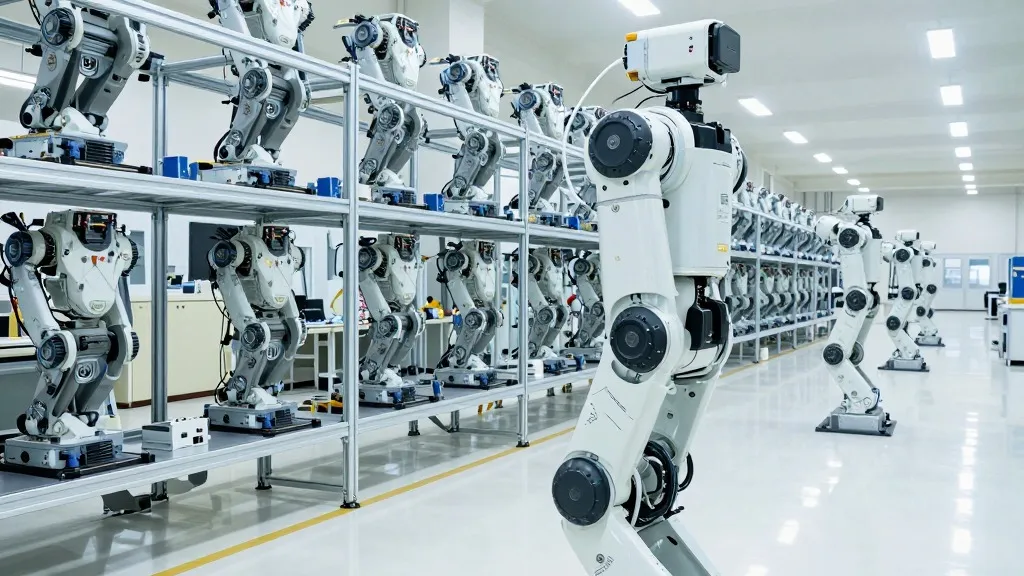
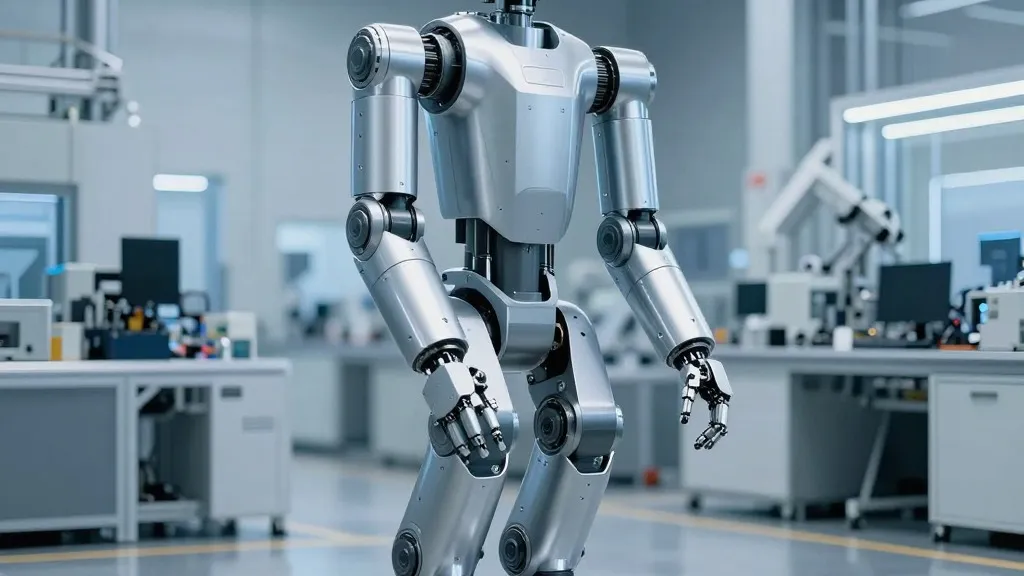
Tesla is moving forward with a major initiative for its humanoid robots, but a significant hurdle remains. The company's vehicles benefit from driving data collected from millions of units, a resource its robots currently lack. In response, Tesla is developing an Optimus Academy to train its fleet of machines. As Elon Musk stated, “A big difference with Optimus versus the cars is we don’t have this vast fleet of cars from which we can gather training data.” This new program is intended to bridge that data gap by having its own robots generate the necessary information for improvement.
This initiative is part of a broader, ongoing effort. Tesla began manufacturing its Optimus robots on a high-volume line at its Fremont factory. This production line was set up in the space previously occupied by Model S and Model X assembly, which was cleared in 46 days to make room for robot production. In its third quarter shareholder letter, Tesla announced that the units from this line are the first to meet the standards for a commercial product.
The company's current plan involves a large-scale operation to generate the required learning material. Tesla intends to use between 10,000 and 20,000 of its newly produced robots to practice a variety of tasks within the Optimus Academy. The information gathered from these activities will then be used to refine future iterations of the robot's AI. Every unit that comes off the Fremont line will serve as a source for this training data.
Beyond the training program, Tesla is also advancing the physical hardware. The company plans to install its AI5 chip into the Optimus next year to improve its processing capabilities. Tesla has also certified several suppliers, including Tuopu, Joyson, and Sanhua, to produce components for mass production. The development of the robot's hands continues to be a significant engineering challenge, with much of the current work focused on that specific component.
The company is simultaneously scaling up its manufacturing capabilities. While the Fremont line is being prepared for a long-term output of up to one million robots per year, a larger Optimus factory is under construction at Giga Texas. Elon Musk has set a long-term production target for that plant at 10 million robots per year. He noted that the production ramp will follow a typical pattern, stating, “The growth of Optimus is an S curve, but the initial curve is a shallow slope.”