
Pope Leo urges global bodies to enforce AI ethics
The Vatican leader told researchers that existing principles are clear, but the international structures needed to apply them are still missing.
By Bianca Herrera ·
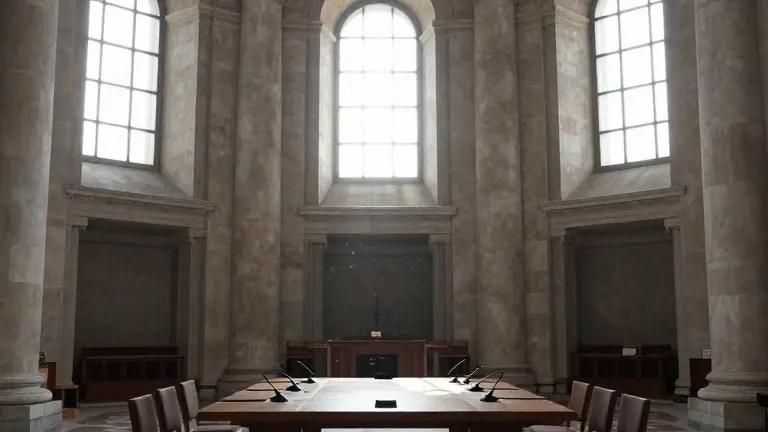
The most urgent challenge in the artificial intelligence race is not a lack of rules, but a lack of institutions to enforce them, Pope Leo XIV said on Friday. Speaking to a group of AI experts at the Vatican, the American pontiff argued that the principles for ethical development are already known. What is missing are the organizations capable of safeguarding the global common good.
The gathering was co-sponsored by the Pontifical Academy of Life and the Future of Life Institute. It served as a forum for the Vatican’s internal AI commission to engage directly with field experts. Leo has made AI a top priority for his papacy, pushing for stricter oversight of the technology.
Leo quoted from his 2026 encyclical, “Magnificent Humanity,” which calls for robust regulation of the sector. The document urges developers to prioritize the common good over profit. The pope stressed that the future of AI is not fixed and depends on the choices made by political leaders and engineers today.
He further clarified that machines are tools, not persons. As such, they should not receive legal status or make life-or-death decisions. However, he identified the creation of an institutional ethical framework as the most pressing need among all current challenges.
The pope called for shared standards, independent oversight, and clear accountability mechanisms. These systems would allow decisions about AI development to be examined and challenged. They would also provide remedies for any harm caused by the technology.
The address followed the release of the encyclical earlier this year. The Vatican continues to work with outside groups to define the role of international bodies in regulating the industry.