Local Control: PennFuture releases model ordinance for stream buffers
The nonprofit provides a tool for towns to manage stormwater from new warehouses and data centers while balancing development needs with environmental protection.
By Fatou Mitchell ·
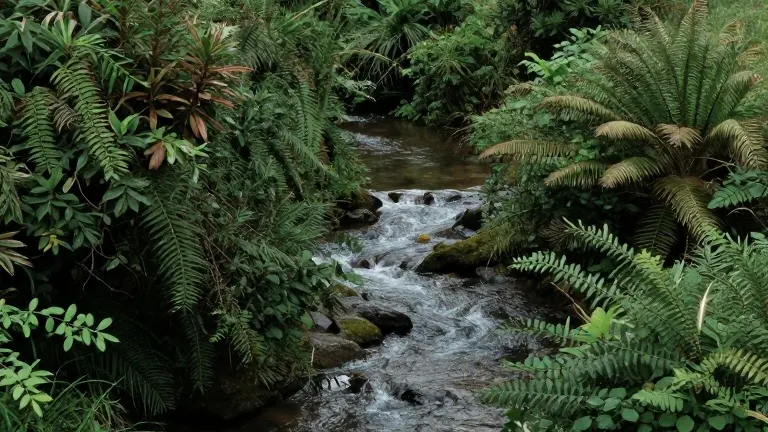
PennFuture released a model ordinance last week to help Pennsylvania municipalities regulate stormwater runoff from expanding commercial development. The release comes as warehouse projects and hyperscale data centers transform the state's land use. These large facilities cover hundreds of acres with paved surfaces that channel thousands of gallons of rainwater into local waterways.
Brigitte Meyer, a staff attorney at PennFuture, stated that projects of that scale impact water resources significantly. She explained that the group wanted a universal solution to avoid reacting to each new project individually. The ordinance targets riparian buffers, which are zones of native vegetation planted on either side of waterways. Towns can adopt the text as local law after making necessary modifications for their specific communities.
Meyer noted that these buffers offer multiple benefits beyond aesthetics. They mitigate flooding, filter sediment from runoff before it enters streams, and provide habitat for animals. The vegetation also creates corridors that allow wildlife to move between larger natural areas. The model text applies to any town that chooses to use it and includes provisions for buffers along wetland borders.
Murrysville officials have already implemented this approach. Emily Mallisee, the community development director, said the town used a buffer at Murrysville Community Park along Farm Road. The project served a dual purpose by improving recreational aesthetics and protecting the headwaters of Steele's Run. Mallisee described the location as a perfect opportunity to achieve both goals simultaneously.
Cost is a primary concern for local budgets. Meyer acknowledged that planting buffers is not a cheap initial fix. However, she argued that the long-term maintenance costs are lower. Once established, the vegetation filters sediment without requiring ongoing labor. Meyer noted that nature does not need a raise, making this a sustainable option for towns with limited funds.
Towns in the state's Municipal Separate Storm Sewer System program face annual targets from the Department of Environmental Protection. These targets require municipalities to prevent a specific tonnage of sediment from reaching waterways. The targets are largely unfunded mandates. Mallisee said riparian buffers help Murrysville meet these MS4 credits and protect local streams. The town also experiences frequent flooding during heavy rain, and buffers help mitigate that risk according to Raegan McKelvey of the Jacobs Creek Watershed Association.
The mechanics of these buffers involve slowing water flow and increasing absorption. Rough surfaces from vegetation reduce the speed of runoff. Root structures create holes in the soil that allow water to seep into the ground. Mallisee said Murrysville typically looks for areas with 30 to 50 feet of bank on either side of streams. PennFuture suggests buffers of 100 to 150 feet for full effectiveness, with some cases ranging up to 300 feet.
Oakmont is currently repairing an older buffer along Plum Creek in Dark Hollow Woods. Phyllis Anderson, assistant borough manager, cited stormwater erosion and invasive species as the main issues. The repairs are part of the borough's master plan for the park and its broader comprehensive plan for long-term sustainability. Meyer noted that state law only requires buffers in certain circumstances, leaving gaps that local governments can fill.
Meyer acknowledged that requiring buffers affects the amount of land available for development. She said the group recognized the need to strike a balance. The model ordinance scales up buffer size as the overall development size increases. Towns are under no obligation to adopt the text. Meyer said the goal was to show officials a proven method to protect streams and groundwater. She noted that in many cases, the solution is simply leaving existing vegetation alone to grow. The full text is available at PennFuture.org.