Naval Inquiry: Iranian Warships Defied Presidential Orders
A retired judge has completed a confidential review of why Tehran’s vessels joined January exercises despite a direct ban, a decision that strained ties with Washington.
By Bianca Herrera ·
More than 7,000 people died during a domestic crackdown in Iran while its warships participated in naval maneuvers off the coast of Cape Town this past January. The participation occurred against the specific instructions of South African President Cyril Ramaphosa. His office confirmed on Tuesday that a formal inquiry into the discrepancy has been concluded.
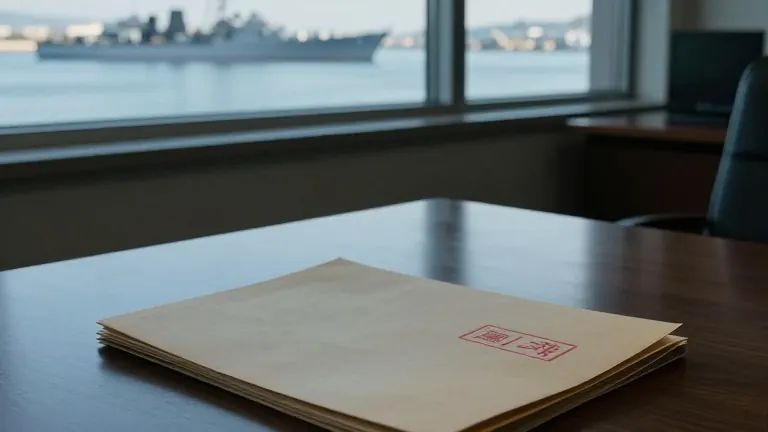
The president has received the final report from the investigative panel. The document will remain sealed and confidential while Ramaphosa reviews its findings. The investigation was led by a retired judge who was appointed in February to examine the chain of command during the exercises.
The naval drills brought together South African, Chinese, Russian, and Iranian vessels. They were organized under the BRICS bloc, a grouping that has expanded to 11 member countries. Iran joined the alliance in 2024 alongside three other new nations. The United States has long viewed the bloc as a geopolitical and economic counterweight to American influence.
Ramaphosa issued a direct order that Iranian vessels, which had already arrived in South African waters, should not take part in the weeklong maneuvers. His office stated at the time that there was a failure to heed this instruction. The investigation focused on whether high-ranking military officials or staff at the Defense Ministry ignored the presidential directive.
To ensure independence, Ramaphosa ordered the panel to report directly to him rather than to the Defense Ministry. The timing of the drills coincided with mass protests in Iran and heightened tensions between Tehran and Washington. The United States and Israel launched military strikes against Iran one month after the exercises began, initiating a formal war.
U.S. President Donald Trump has repeatedly criticized South Africa’s diplomatic posture toward Tehran. His administration has accused the African continent’s largest economy of pursuing an anti-American foreign policy. Ramaphosa’s decision to exclude Iran from the drills was an effort to mitigate further diplomatic friction with the United States.
The report has now reached the president’s desk. Ramaphosa will determine the next steps regarding the findings. The confidentiality of the document remains in place pending his review.