Hydroxyapatite toothpaste costs more and offers limited long-term evidence
Newer fluoride-free formulas claim comparable protection, but studies are short and funded by manufacturers.
By James Brooks ·
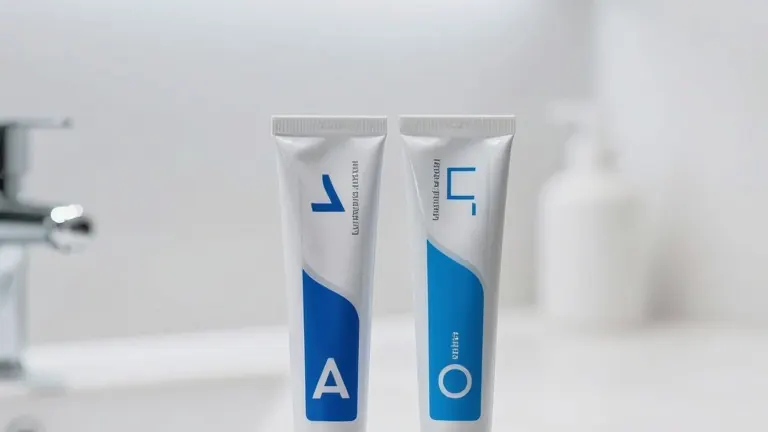
Consumers seeking alternatives to standard dental care are increasingly buying hydroxyapatite toothpaste, a product that commands a higher price point than traditional fluoride options.
Dr. Jin-Ho Phark, an associate professor at the University of Southern California, reports that patient inquiries about these fluoride-free products have risen sharply. He attributes the surge to aggressive marketing on social media platforms where influencers promote the mineral as a superior substitute for cavity prevention.
Hydroxyapatite is a calcium phosphate mineral that mimics the composition of tooth enamel. Proponents argue it strengthens teeth and reduces sensitivity without the use of fluoride, a claim that resonates with patients hesitant about the chemical. This hesitation has grown following public critiques from Health Secretary Robert F. Kennedy Jr., who has linked water fluoridation to various health issues, including thyroid disease and bone fractures.
The market shift is notable because fluoride toothpaste has been the standard of care since Procter & Gamble released Crest in the late 1950s. The Centers for Disease Control and Prevention state that adding fluoride to public water supplies reduced cavities by 25 percent, a statistic they ranked among the top ten public health achievements of the 20th century. Despite this long history of efficacy, a segment of the population is switching to hydroxyapatite based on emerging, albeit limited, data.
Scientific studies suggest the new product performs similarly to fluoride in the short term. A 2021 study in Scientific Reports tracked 177 children for nearly one year and found comparable decay rates between those using hydroxyapatite and fluoride. A subsequent 2023 study in Frontiers in Public Health monitored 171 adults over 18 months with similar results. However, both studies received funding from Dr. Wolff Group, a German manufacturer of hydroxyapatite brands, and the participants were generally healthy with low risks of tooth decay.
Dr. Bennett Amaechi, a professor at the University of Texas at San Antonio who co-authored the 2021 study, acknowledges that early research is positive. He states that for remineralization and preventing caries, hydroxyapatite is currently as effective as fluoride. Yet, he notes that fluoride benefits from extensive long-term data that hydroxyapatite lacks. A 2019 study involving 133 high-risk patients also found no difference in performance between the two ingredients after five months.
The cost difference remains a key factor for buyers. Hydroxyapatite toothpastes typically cost more than a dollar per ounce more than their fluoride counterparts. For consumers who are not opposed to fluoride, dental experts generally recommend the traditional option due to its robust evidence base. Dr. Livia Tenuta, an associate professor at the University of Michigan, emphasizes the need for more long-term studies involving patients with high decay risks before making a definitive switch.
The American Dental Association issued a statement via email acknowledging the rising use of hydroxyapatite products. Dr. Ada Cooper, a spokesperson for the ADA Consumer Advisor, wrote that while some evidence supports remineralization, clinical effectiveness data remains limited and ambiguous. The association continues to advise brushing twice daily for two minutes with fluoride toothpaste and flossing daily.
More Business · Customer Complaints · Report a business · Got a Story?