Homeowners Should Check HVAC Age to Prevent Costly Breakdowns
Data from Climate Central shows rising U.S. temperatures, making the tracking of heating and cooling equipment lifespan a priority for maintaining year-round comfort.
By Bianca Herrera ·
Rising temperatures across the United States are increasing the strain on residential heating and cooling systems. According to data from Climate Central, average temperatures in 97% of U.S. cities have warmed by 2.6 degrees Fahrenheit. Homeowners can mitigate the risk of expensive emergency repairs by monitoring the age of their HVAC equipment. This simple metric provides insight into system reliability, energy efficiency, and remaining lifespan.
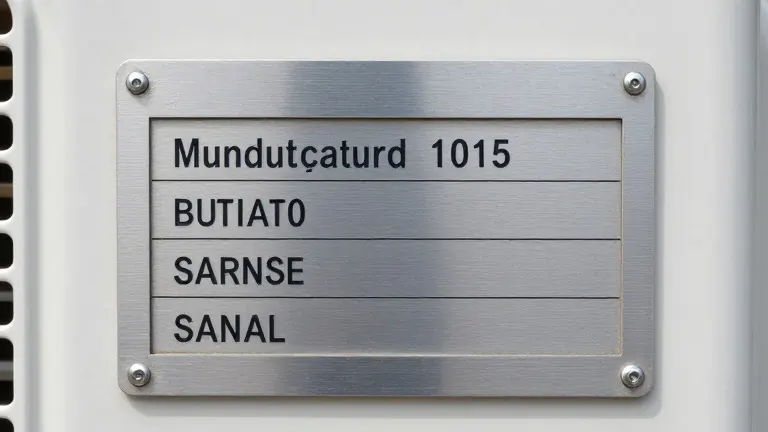
The manufacturing date is the primary indicator of a unit's age. This date is typically stamped on a metal or foil nameplate attached to the exterior condenser, the indoor air handler, or the interior side of the furnace cabinet door. The label usually lists the date under headers such as MFD, MFR DATE, or FAB. It is distinct from the installation date, which marks when a contractor assembled the system for use. Installation dates are recorded in appliance manuals, warranty registrations, or maintenance tags inside the HVAC cabinet.
Different components within a home climate system have varying expected lifespans. The International Association of Certified Home Inspectors, known as InterNACHI, notes that thermostats can function for up to 35 years. Central air conditioning units typically last between 7 and 15 years. Furnaces generally operate for 15 to 25 years, while heat pumps have an expected lifespan of 10 to 15 years. As equipment approaches these age thresholds, the likelihood of mechanical failure increases.
Tracking the age of these components allows homeowners to shift from reactive to proactive maintenance. Older systems often exhibit signs of stress, such as unusual noises or reduced efficiency. Recognizing these symptoms as indicators of aging equipment rather than minor issues encourages homeowners to schedule inspections sooner. This approach helps identify potential failures before they become critical breakdowns.
A structured maintenance schedule based on equipment age can protect indoor comfort. Homeowners should schedule a cooling system checkup in the spring and a heating inspection in the fall. These seasonal visits allow technicians to assess the condition of the units and recommend necessary repairs. If a system is near the end of its expected life, these inspections also provide an opportunity to evaluate replacement options before peak weather conditions arrive.
Knowing the specific age of a system helps guide the decision between repair and replacement. When a unit is older, minor repairs may offer less long-term value than a new installation. By documenting the manufacturing date and installation history, homeowners can make informed financial decisions. This data supports strategic planning for major household expenses, ensuring that budgeting for maintenance or new equipment aligns with the actual condition of the hardware.
The frequency of extreme weather events further underscores the need for reliable climate control systems. As summers grow hotter and winters more volatile, the demand on HVAC units rises. Regularly checking the nameplate for the manufacturing date provides a clear benchmark for system health. This information serves as a practical tool for managing household infrastructure, allowing owners to anticipate needs and maintain comfortable living conditions throughout the year.
More Business · Customer Complaints · Report a business · Got a Story?