Gas Prices Hit $4.25 as Iran War Enters Eighth Month
Oil costs jumped from $67 to $99 per barrel in 2026, driving up fuel costs ahead of the U.S. midterm elections.
By Fatou Mitchell ·
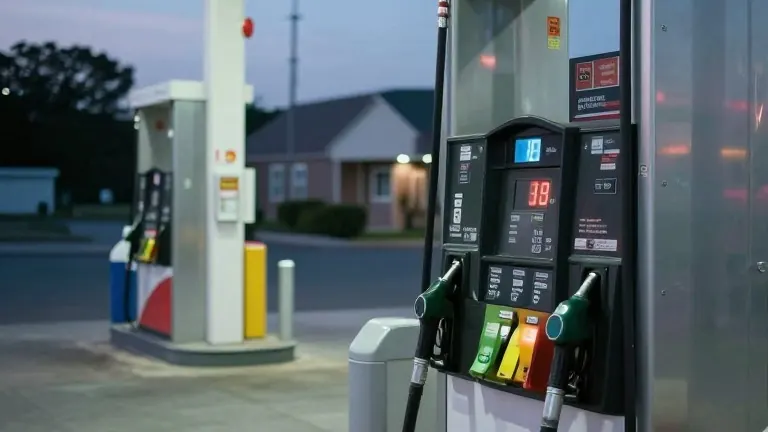
The U.S. midterm elections are scheduled for next week, and voters face a specific economic challenge: the cost of fuel. The price of gasoline in the United States has risen to $4.25 per gallon. This increase follows a sharp spike in crude oil prices triggered by the ongoing military conflict with Iran.
The war began on Feb. 28 when U.S. and Israeli jets struck hundreds of targets across Iran. The conflict also resulted in the death of much of the country's leadership. Before these strikes, on Feb. 27, the price of oil stood at $67 per barrel. By March 1, that price had jumped to $99 per barrel. It has remained near that level for the eight months since.
The American Automobile Association compiled data showing the average price of gas in the U.S. climbed from $2.98 per gallon to $4.25 per gallon. Clifford Young, chair of Ipsos Public Affairs, noted that voters typically prioritize domestic issues over foreign policy. However, he said Americans are now linking high pump prices directly to U.S. actions in the Middle East. Young stated that these foreign policy decisions have significantly impacted the president's political base.
Polling data reflects this shift in voter sentiment. A Reuters Ipsos poll published earlier this month found that 78 percent of people surveyed blame Trump's policies for rising prices in general. The Pew Research Center reported that nearly two-thirds of Americans disapprove of the war in Iran. Disapproval has grown even among Republicans and Republican-leaning independents since the conflict began.
The administration initially projected the war would last four to six weeks. That timeline has not held. Aaron David Miller, a former U.S. Middle East negotiator and senior fellow at the Carnegie Endowment for International Peace, described the conflict as a war of choice. He argued that the administration underestimated the adversary's capacity to respond and escalate. Miller noted that the conflict targets the vulnerabilities of the Strait of Hormuz and Gulf states.
Republicans hold a four-seat majority in the Senate, giving them room to lose seats while retaining control. Thirty-three Senate seats are up for election this cycle. Republicans currently hold 20 of those seats, while Democrats hold the remaining 13. In the House, polls currently predict Democrats will take control. Historically, the party controlling the White House loses ground in midterm elections.
President Trump has pursued other foreign policy moves alongside the Iran war. He recently helped secure the release of remaining hostages held by Hamas in Gaza and brokered a fragile ceasefire between that group and Israel. U.S. forces also captured Venezuela's longtime President Nicolás Maduro, who now faces federal charges in the U.S. Washington has been working with Maduro's Vice-President Delcy Rodríguez, who serves as interim president.
The U.S. has also shifted its stance on Ukraine, recently lifting sanctions on Russia to help lower oil and diesel prices. A Marist/NPR/PBS News poll found that foreign policy was the top issue for only five percent of Americans surveyed. Thirty-four percent said the cost of living was the number one issue driving their vote. The convergence of foreign policy and domestic affordability is unusual for a U.S. election cycle.
More Business · Customer Complaints · Report a business · Got a Story?