Triangle Transit Ridership Climbs After Route Changes
GoTriangle reports a 14 percent increase in trips for fiscal year 2026, driven by more frequent bus service on key routes.
By Bianca Herrera ·
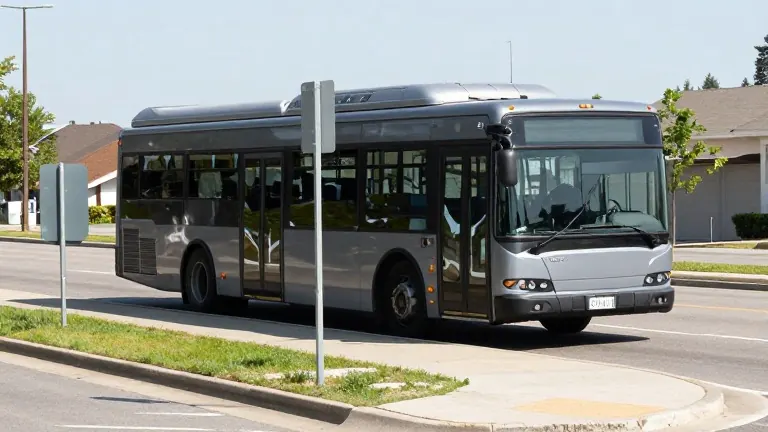
GoTriangle, the transit agency serving the Research Triangle, reported a 14 percent rise in passenger trips for the fiscal year ending June 30, 2026. Riders logged more than 15.6 million miles on the agency's bus routes during that period. The growth follows a series of service upgrades implemented over the previous 18 months.
Katharine Eggleston, the interim president and chief executive officer of GoTriangle, stated that the agency adjusted its service based on feedback from riders and the public. "What these numbers suggest is that the public has responded by making use of our transit offerings more than ever," Eggleston said. She added that word is spreading regarding the reliability of public transportation in the region.
The data reveals sharp increases on specific routes that now offer more frequent service. Between April and June 2026, ridership on Route 400/405, which connects Durham and Chapel Hill, jumped 83 percent. That route began running every 15 minutes all day in August 2025, replacing the previous 30-minute schedule.
Route 100, linking Raleigh and Research Triangle Park, saw ridership rise by almost 60 percent. This route shifted to a 15-minute all-day schedule in March 2026, moving away from 30-minute intervals. In eastern Wake County, the WRX and ZWX routes experienced a more than 100 percent increase in riders. These lines started operating hourly all day in November 2025, rather than only during peak hours.
Sunday service also saw a major boost. Overall Sunday ridership increased by more than 80 percent. This follows a change in August 2025, when the agency moved Sunday bus schedules from hourly to every 30 minutes.
Mary-Ann Baldwin, chair of the GoTriangle Board of Trustees, described the results as proof that the current strategy is effective. "We are not content to rest on our laurels," Baldwin said. She noted that people are recognizing the value of public transportation and that the agency understands it must continue to deliver.
A new report from the American Public Transportation Association (APTA) provides context on why these changes matter for household budgets. According to the report, titled Public Transit Saves American Families Money, a household that owns one fewer vehicle and uses public transit instead saves an average of $14,100 annually. This figure is up from $13,000 in the association's 2019 report.
The APTA calculation compares the cost of a monthly transit pass against the full cost of car ownership, including fuel, insurance, maintenance, and parking. Families face high car prices and financing costs, while transit users maintain a more predictable monthly expense. GoTriangle offers free or discounted passes through employers, universities, and for seniors, youth, and income-qualified individuals.
Paul P. Skoutelas, president and CEO of the APTA, said that using public transportation can reduce monthly transportation expenses. "Whether it’s commuting to work, running errands, or keeping appointments, public transit is a practical and budget-friendly choice," Skoutelas said. He emphasized that sustained federal investment helps ensure that option remains available for families.
More Business · Customer Complaints · Report a business · Got a Story?