Pittsburgh woman recalls 1976 lever vote and the sticker that followed
A personal account describes the tactile experience of casting a ballot in 1976 and the enduring nature of the 'I voted' sticker.
By James Brooks ·
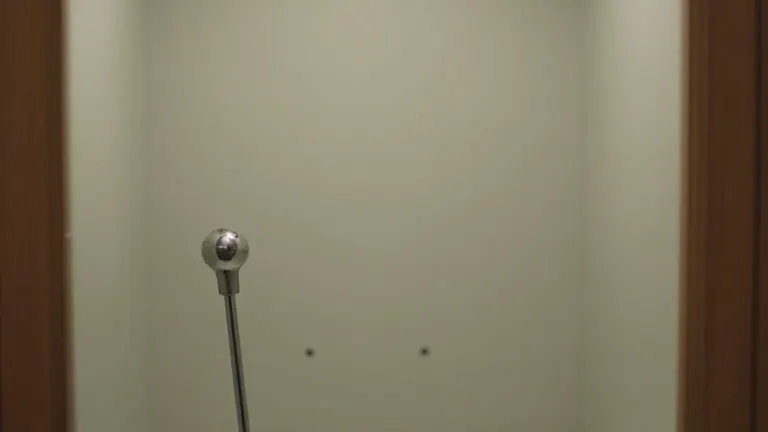
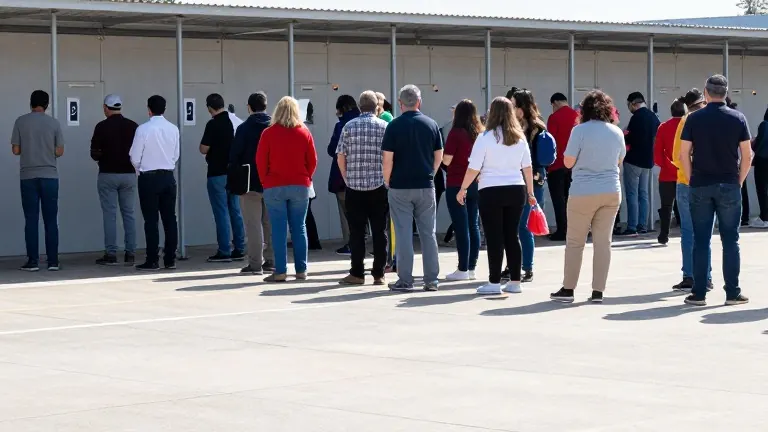
The author stood behind a curtain in the Hampton Township municipal building north of Pittsburgh in 1976, watching her mother cast a presidential ballot. The election featured Gerald Ford and Jimmy Carter. The voter pulled actual metal levers inside a booth. The author was eight years old. The curtain opened with a loud sound when the voter pulled the 'I'm done' lever. The author described the event as feeling big while she felt small.
The author received an 'I voted' sticker as her mother left the polling place. Her mother turned around and gave it to her. The author notes that the sticker has become an emblem of participation. It serves as a symbol of democracy. The author argues that the sticker unites voters despite polarized opinions. Placing the sticker on clothing sends a message of American identity and civic duty.
The author's grandfather collected political buttons, a practice that predates the voting sticker. The author inherited the collection from her father. The buttons date back to the 1888 race between Grover Cleveland and Benjamin Harrison. The graphics on the buttons became more direct over time. One button from the 1964 Goldwater campaign read, 'In your heart, you know he's right.'
The 'I voted' sticker maintains consistent text regardless of graphic changes. The designs often feature red, white, and blue colors. The sticker contains no party affiliation or advocacy. It states a simple fact of participation. The author describes it as a form of virtue signaling that is universally identifiable and hard to challenge.
A friend of the author collected the stickers over several years. She wore all of them on her lapels and chest like medals. She reapplied the adhesive as needed. She emerged from the polling place looking like a five-star general. She expressed pride in her collection.
Voting methods have changed since 1976. Some voters now tap touch screens. Others fill out paper ballots. The author states that the practice of receiving a sticker remains the same. Voters leave with a sense of miniature victory. They know their voice may have been heard.
The article is part of a recurring series titled 'American Objects.' The series marks the 250th anniversary of the United States.