Cheesesteak Origins: From 1930 Hot Dog Cart Accident to Philadelphia Icon
The sandwich that defines the city started as a lunchtime improvisation by two Italian-American brothers, with cheese added a decade later.
By Fatou Mitchell ·
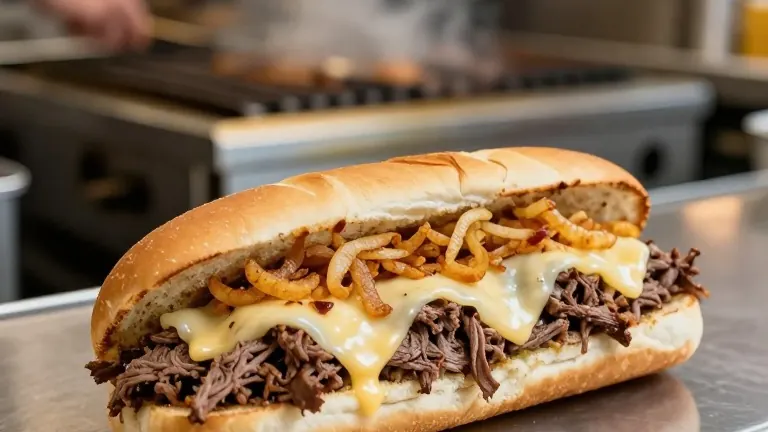
The Philadelphia cheesesteak did not begin in a professional kitchen. It emerged in 1930 as a simple alternative to a hot dog, created by two brothers running a street cart near the city’s Italian Market.
Pat Olivieri and his brother Harry Olivieri operated a hot dog and fish cake stand. On a specific afternoon in 1930, Pat wanted a different lunch. He sent Harry to a local butcher to purchase beef scraps. Pat chopped the beef, grilled it with onions, and placed the mixture into a hot dog bun. A cab driver passing the cart smelled the cooking meat. He bought the sandwich instead of a hot dog and told the brothers to sell the new item. The reaction was immediate. Pat opened Pat’s King of Steaks on Passyunk Avenue.
The original 1930 recipe contained only beef and onions. There was no cheese. It was not until the 1940s that a manager named Cocky Joe Lorenza added slices of provolone to the sandwich. This addition created the modern definition of the dish. In the 1950s, the recipe changed again with the introduction of Cheez Whiz. The liquid cheese melted quickly into the bread’s texture, which sped up service. Cheez Whiz remains the most popular choice at the original shops, though provolone and American cheese continue to have strong support.
By the 1960s, the sandwich had become a local standard. In 1966, Joey Vento opened Geno’s Steaks directly across the street from Pat’s. Both restaurants operated 24 hours a day. The two locations developed a competitive relationship that turned their intersection into a popular destination. While these two shops are famous, locals often point to neighborhood spots for the best food. Establishments such as Angelo's Pizzeria in South Philadelphia, Dalessandro’s Steaks in Roxborough, and Jim’s South St. are frequently cited. John's Roast Pork, which has won a James Beard Award, is also considered a top choice. Opinions on the best location vary widely among residents.
The sandwich has specific components that define its structure. The meat is high-quality chopped or sliced beef, often ribeye, cooked on an oiled grill. The bread is a freshly baked torpedo roll with a firm crust. The local terminology uses “wit” for the version with fried onions and “witout” for the version without. The sandwich has evolved to include several variations. Shops now offer chicken alternatives, pizza steaks topped with marinara and mozzarella, and cheesesteak hoagies with cold lettuce and tomato. Common additions also include green peppers, mushrooms, and hot cherry peppers.