Apple Raises Production Targets for New Folding Phone Amid Surge in Orders
The company has increased manufacturing orders by over 40% to meet unexpected high demand for its first foldable device.
By James Brooks ·
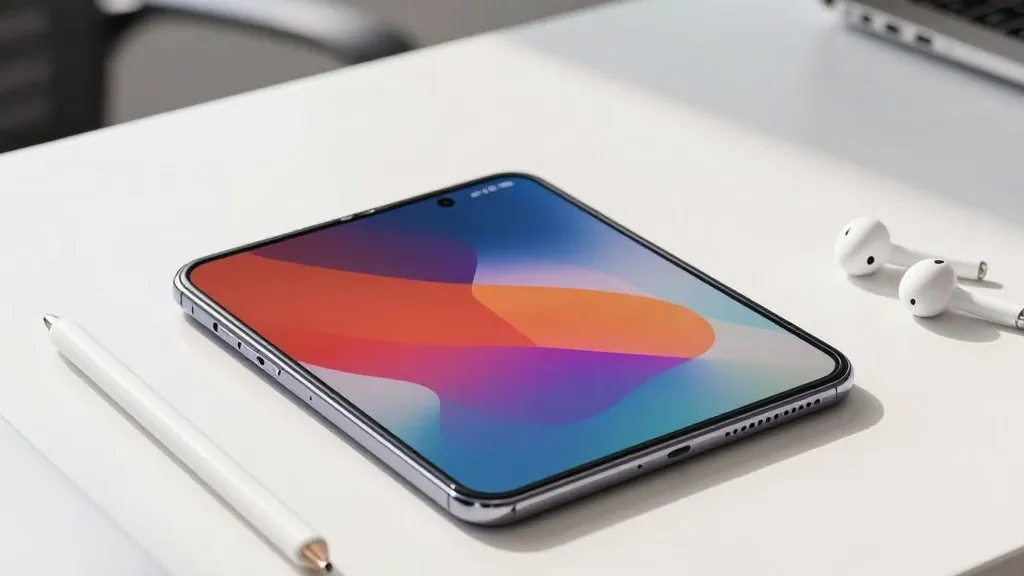
Apple has significantly expanded its manufacturing plans for the iPhone Duo, increasing production orders by more than 40% to accommodate a surge in consumer interest. This adjustment in supply chain strategy comes in direct response to what the company characterized as extraordinary pre-order demand, marking a notable escalation in its efforts to secure inventory for its first folding smartphone.
The initial opening of pre-orders on Friday revealed the intensity of consumer appetite for the device. Customers reported that estimated delivery dates slipped almost immediately, with some facing wait times that extended into late January. While such delays can occasionally stem from logistical bottlenecks or insufficient supply, recent supply chain indications suggest that the primary driver is the sheer volume of orders placed in the early hours.
In an attempt to manage the distribution of units and mitigate the impact of secondary market speculation, Apple imposed a restriction limiting each customer to a maximum of two devices. This measure was designed to curb scalping activity, ensuring that a broader segment of the consumer base could access the new hardware rather than allowing bulk purchasers to dominate the initial allocation. The company attributed the extended wait times specifically to the high level of demand, a terminology it has frequently employed during previous major product launches.
As the initial rush of orders was processed, some early buyers began to receive revised shipping estimates that were earlier than their original notifications. This shift in delivery timelines aligns with recent reports indicating that Apple has accelerated its production ramp-up. By boosting shipment targets, the company is attempting to close the gap between supply and the demonstrated market demand, thereby reducing the backlog of pending orders.
The scale of this production increase is substantial. Supply chain sources indicate that Apple has raised its shipment goals for the first twelve months from an initial projection of 9.7 million units to a new target of 14 million units. This upward revision reflects the company's confidence that the strong initial uptake will persist over the coming year, necessitating a larger inventory pipeline to maintain availability.
Despite the hardware expansion, early adopters are navigating a transitional period regarding software compatibility. Third-party applications are not yet fully optimized for the unique form factor of the folding device, which has become a recurring theme in initial user feedback. Apple maintains that the situation is improving rapidly as developers adapt their software to the new platform, though the lack of native support for certain apps remains a point of discussion among the first group of users.
Reviews based on approximately one week of usage have provided a consistent picture of the device's current state, with app support identified as one of five key areas of focus for consumers. While the hardware itself has been generally well-received, the ecosystem surrounding it is still maturing. Users are encouraged to monitor updates from their preferred applications as developers prioritize optimization for the iPhone Duo.
Looking ahead, the company is already addressing hardware refinements for future iterations. Recent reporting suggests that Apple is testing prototypes for the iPhone Duo 2 that feature Face ID, a potential upgrade from the Touch ID system used in the current model. This development indicates that the company is actively iterating on its biometric security offerings, aiming to align the folding device more closely with the premium features found in its standard iPhone lineup.
The rapid expansion of production and the early focus on biometric upgrades underscore Apple's commitment to establishing the iPhone Duo as a core component of its portfolio. As the company works to stabilize supply chains and encourage developer adaptation, the market will closely watch how effectively Apple balances the high volume of orders with the necessary software and hardware refinements in the months to come.