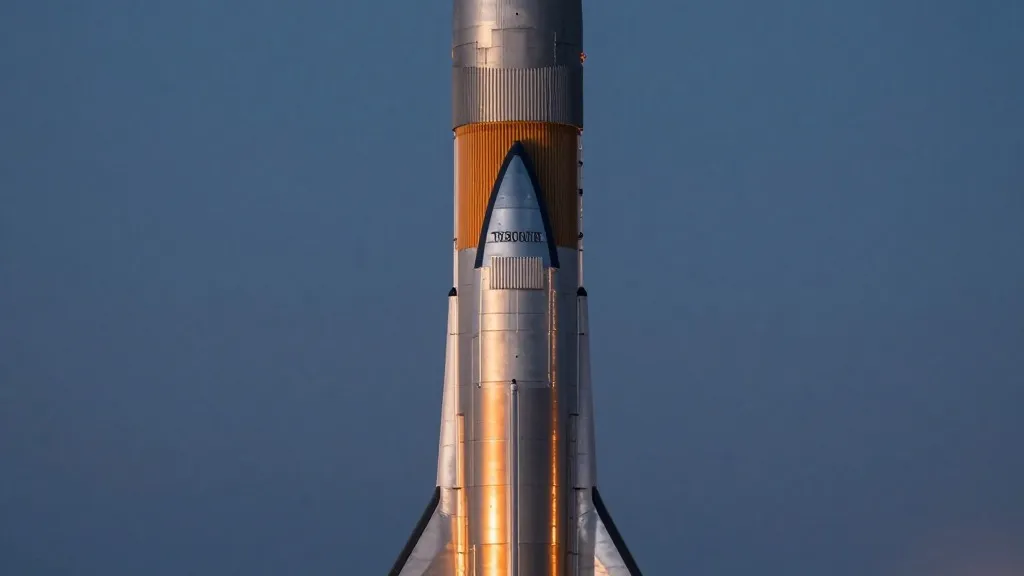
2028: NASA sets firm target for next lunar landing after architectural shifts
New mission designs eliminate complex orbital maneuvers, but questions remain about whether the aggressive schedule can hold.
By Bianca Herrera ·
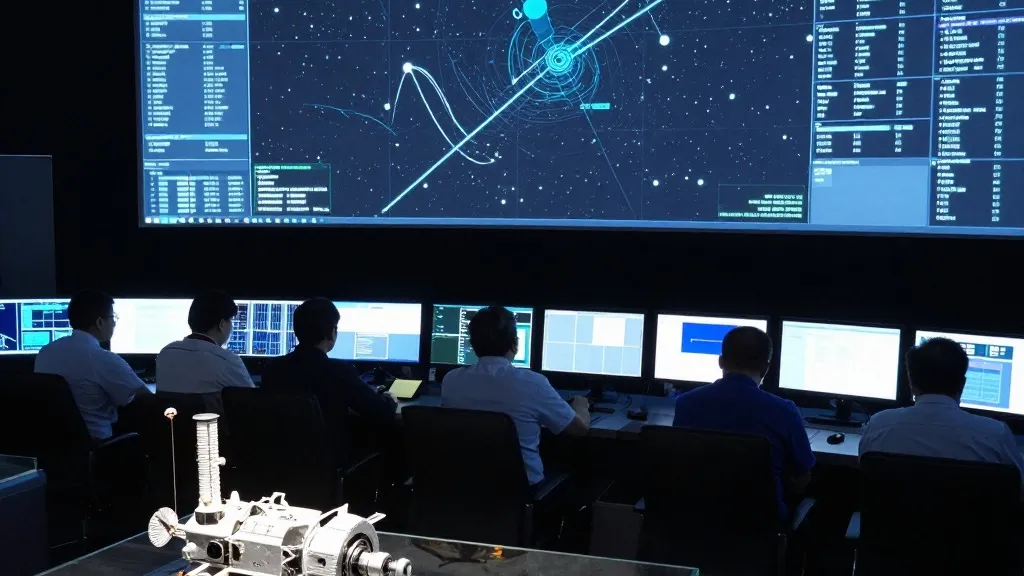
NASA officials confirmed on Friday that they are targeting a 2028 launch for the first crewed lunar surface mission in decades. This date represents a concrete milestone for the Artemis Program, though the path to get there has shifted significantly in recent months. During a lengthy news conference, agency leaders detailed the updated architecture that underpins this timeline.
The most significant change involves how spacecraft will meet up. For SpaceX’s Starship vehicle, the revised plan requires the Orion spacecraft to dock with the lunar lander in high-Earth orbit before traveling to the Moon. This approach replaces earlier concepts that involved more complex maneuvers. For Blue Origin, the mission design relies on four launches of the New Glenn rocket without any in-space refueling between vehicles. The plan also allows for the Blue Moon lander to rendezvous with Orion in low-Lunar orbit, offering a different operational profile than previously outlined.
These architectural adjustments appear to address long-standing technical hurdles. In early 2026, SpaceX engineers reportedly pushed to remove the requirement to dock in a near-rectilinear halo orbit around the Moon, a maneuver that demanded high energy and presented other difficulties. The cancellation of the Lunar Gateway earlier this year effectively solved this problem for the SpaceX team. By moving the docking phase to Earth orbit, the agency has streamlined the sequence for the Starship component.
Despite these changes, the agency maintains its schedule for near-term milestones. NASA officials stated they still anticipate launching the Artemis III mission, a demonstration involving docking with both Blue Moon and Starship near Earth, by the summer of 2027. Following that, the agency is tracking toward a 2028 launch for Artemis IV, which would involve the actual landing on the lunar surface. The transition from planning to execution remains the central challenge for the program.
NASA Administrator Jared Isaacman expressed confidence in the current trajectory. He described the path as achievable, noting that the agency has the mandate, resources, and stakeholder support necessary to execute the plan. "This is an achievable path we are on right now," Isaacman said. "We have the mandate, we have the resources, and the support from our stakeholders to be able to execute, and that’s what we intend to do." His comments underscore the administration's focus on delivering results despite the technical complexities involved.
While the leadership has taken a hard look at every element of the program to help lander companies accelerate their plans, the timeline remains ambitious. The shift in docking locations and the reliance on multiple rocket launches for Blue Origin introduce new variables that have not been fully tested in flight. As the agency moves toward the 2027 demonstration mission, the success of these revised architectures will determine whether the 2028 landing date remains realistic or if further adjustments are needed.