Global Clean Energy Builds Out
Renewable capacity grows worldwide despite slow progress at upcoming climate negotiations in Turkey.
By James Brooks ·
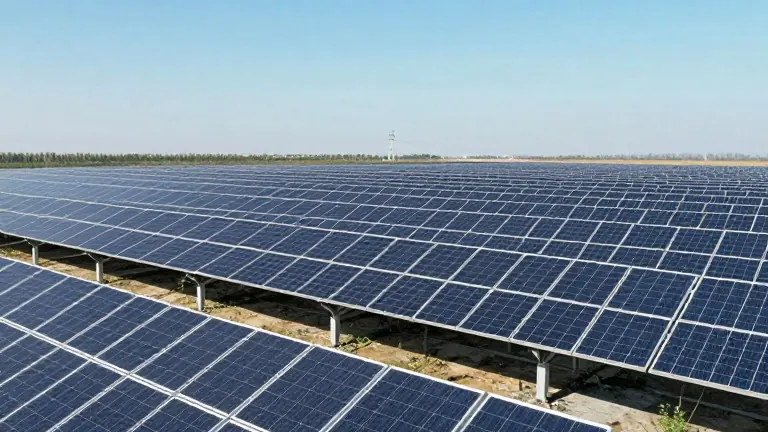
Renewable energy sources are expanding rapidly across the globe, outpacing the pace of international climate diplomacy. Solar panels paired with battery storage systems and electric vehicles are increasing their share of global energy generation. This growth is occurring primarily outside the United States, where nations are shifting away from fossil fuels at an accelerating rate.
A gap exists between this physical infrastructure growth and the speed of political agreements. Countries gather in Antalya, Turkey, on November 9 for the UN climate summit, known as COP31. Negotiations there are driven by longstanding tensions between industrialized nations and developing countries. Industrialized nations bear the bulk of historical responsibility for global warming, while developing nations seek support for their energy transitions.
Rick Duke, the former deputy US special envoy for climate change, noted that the balance between talks and action is functional. He stated that the Paris Agreement operates on two tracks: negotiations and action. Both tracks have produced progress. In 2021, more than 100 countries joined the Global Methane Pledge. Those same nations also signed a declaration to end deforestation.
Specific nations are making tangible strides in implementation. China now includes methane in its national climate targets. Brazil is pushing forward with plans to halt Amazon deforestation under President Luiz Inácio Lula da Silva. Duke argued that the process must do a better job holding countries accountable for these national targets. He emphasized the need to focus on emergency solutions like methane reduction and forest protection, which can cut warming quickly.
Zeke Hausfather, a climate scientist at Berkeley Earth and climate research lead at Stripe, observed that clean energy costs have fallen steeply. This price drop has lowered the severity of expected warming in coming decades compared to projections made just a few years ago. However, Hausfather noted it is unclear how much of this result stems from COP meetings versus favorable economics.
"It is difficult to separate out this progress from action countries may have taken in relation to the climate talks themselves, and simply the economics of renewables becoming far cheaper over time," Hausfather said. He described the COP process as the figurehead on top of the hard work actually happening on the ground.
This year's COP summit focuses on implementing existing agreements rather than writing new ones. The Paris Agreement will likely pressure negotiators to make commitments on two thorny issues. First is financing the energy transition for developing nations. Second is compensating those nations for climate damages. Progress on these specific topics has been slow in previous years.
Despite the focus on implementation, UN officials warn that current efforts are insufficient. A UN report released last month stated the world will soon overshoot the 1.5-degree Celsius warming target set in the Paris Agreement. The report identified limiting further warming, slashing emissions, and cooling temperatures as the primary goals for global policy.