France commits €4bn to fix crumbling schools as students vow to keep protesting
The government announced major repairs and class size caps, but student leaders say the measures are insufficient and plan to maintain street blockades.
By James Brooks ·
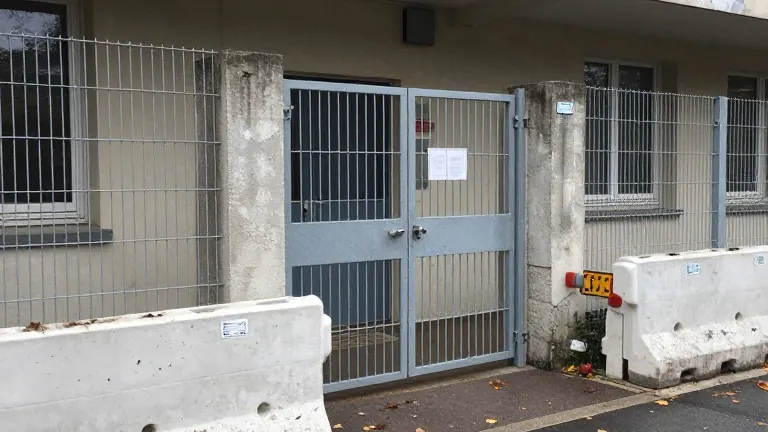
French high school students received a new set of government promises on Monday, but student union leaders instructed their members to keep barricading school entrances and joining street demonstrations. The government unveiled a package of education measures designed to halt a protest crisis that has dragged on for more than five weeks. Despite the new announcements, the student group Les Lycéens argued that the administration had not gone far enough to satisfy their demands.
The central element of the government's response is a €4bn loan directed to regional authorities. Education Minister Édouard Geffray stated that some schools were in such poor condition they were not fit for teaching. The funding will begin repairs on buildings plagued by collapsing ceilings, mould, broken toilets, and windows that failed to shut. Geffray announced that class sizes for 15-year-olds in the first year of high school would be capped at 28 in the 50% of schools located in the lowest-income areas. This cap is scheduled to expand to all high schools next year.
Pierre Sourzat of Les Lycéens addressed the new proposals during an interview with France Info television. He noted that the student group was currently at the negotiating table with the government. "We’re in a power struggle and we still need to call for continued mobilisation to meet a maximum of our demands," Sourzat said. He characterized the government's initial offers of class size caps and a review of the university application system as insufficient. "We want measures, not half measures," he stated.
The protest movement has grown into one of the largest youth demonstrations in years. It began in September with high school blockades and has since been joined by trade unions and cost-of-living protesters. These groups now hold regular mass street demonstrations on Saturdays. The movement has forced the government to address long-standing complaints about teacher shortages and the physical state of school infrastructure.
The government also outlined changes to higher education. The Parcoursup application platform, which critics have described as opaque and unfair, will be modified in 2027 and replaced by a new system in 2028. Higher Education Minister Philippe Baptiste confirmed that 15,000 extra student places would be created, with a focus on vocational courses. Parliament is scheduled to debate these issues on Wednesday.
Louis Letoublon, a representative for Les Lycéens who met with Prime Minister Sébastien Lecornu, expressed a mixed reaction to the outcomes. He praised the students for their persistence, stating, "The government is afraid and knows it must do something and listen to us." However, he emphasized that not all demands were met and the group would continue protesting for as long as necessary. Baptiste responded by saying the government's door remained open for further discussions.
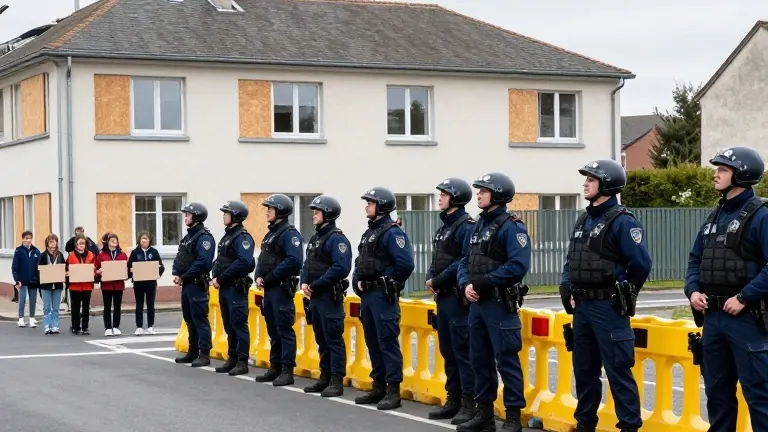
The protests have taken a physical toll on participants. Several children have been maimed or seriously injured, allegedly by police explosive weapons. Hundreds of students have been arrested and held in police custody. Authorities have increased security measures and placed restrictions on demonstrations following 17 October, which saw looting, fires, and vandalism of state buildings. Curfews are in place in certain cities, and protest routes were moved to the outskirts of cities on Saturday.
Interior Minister Laurent Nuñez reported that ultra-right groups arrived in organized formations in cities like Nice and Montpellier over the weekend, targeting protesters. Eleven suspects are set to face charges. Security and intelligence authorities have admitted to failures that allowed the clashes on 17 October to occur.
President Emmanuel Macron visited Marseille on Monday and acknowledged that nationwide street protests were likely to continue. He described the upcoming demonstration on 31 October as a "day of risk." Macron stated that the looting and vandalism seen in mid-October should never happen again. He noted that the country was in a state of turmoil six months before a presidential election, in which he is stepping down next spring.
Macron said the government would continue to hold the line. He expressed confidence that the movement would subside if the administration addressed legitimate expectations and maintained order. However, he warned that nothing was a foregone conclusion. Marine Le Pen, the far-right leader, is currently leading the polls for the upcoming election.